
AI Companies Are Now Renting Dead Celebrities' Voices
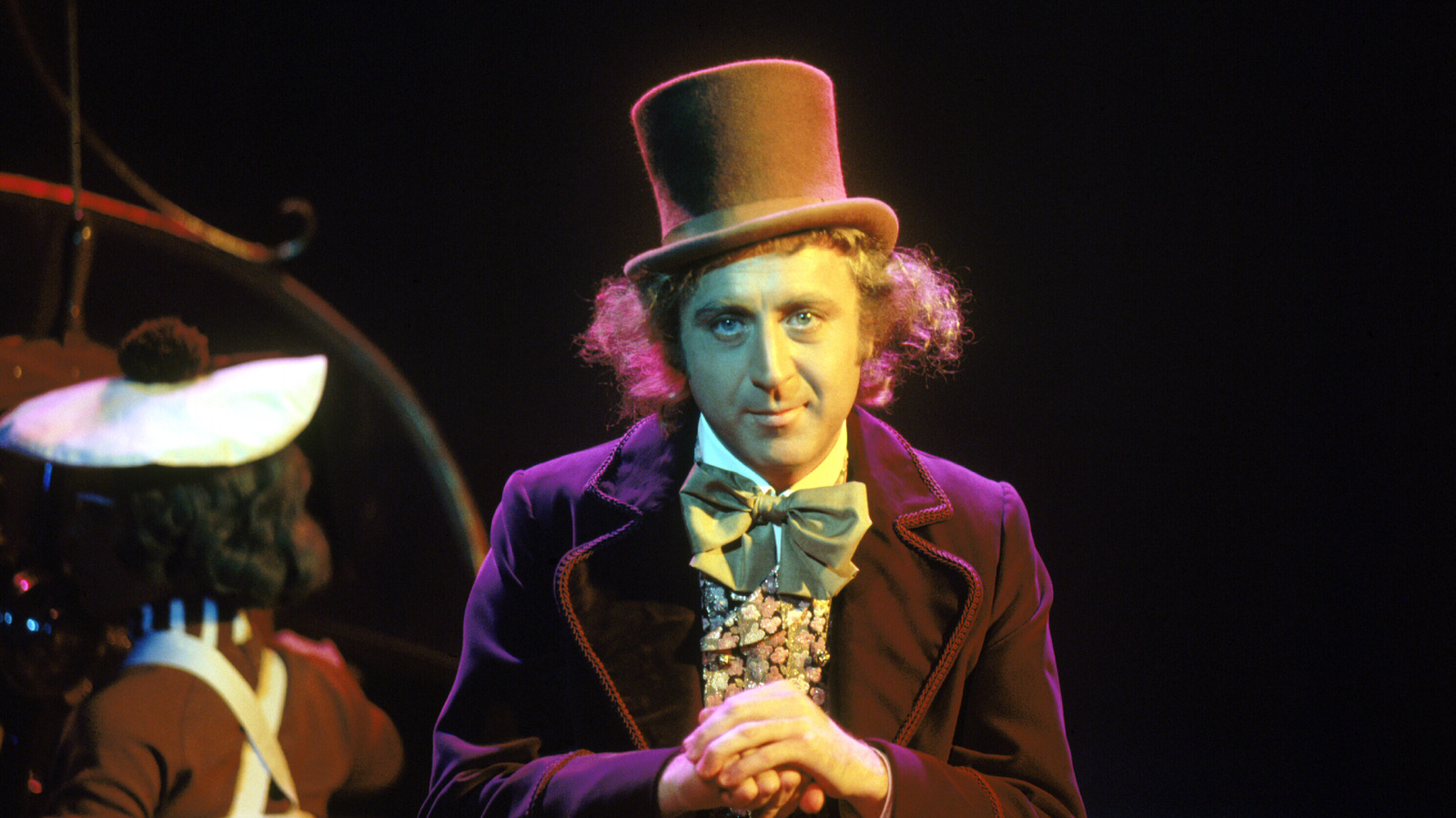
When Netflix announced it had used AI to recreate Gene Wilder's voice for a new reality competition show based on Charlie and the Chocolate Factory, the company was careful to emphasize one thing: they had permission. Wilder's estate and widow approved the project. The proper boxes were checked.
But here's what nobody's saying loudly enough: we just crossed a line we can't uncross. The casual deployment of a dead actor's synthesized voice in a commercial reality show isn't an isolated experiment anymore. It's the new normal, and it arrived with barely a whisper of public debate.
Netflix partnered with ElevenLabs, one of several companies that have perfected voice cloning technology to an unnerving degree. The result is Gene Wilder's distinctive voice narrating a show he never agreed to appear in, promoting a brand partnership he never consented to, and embodying a creative vision he had no input on. Yes, his estate signed off. But that's a legal framework designed for using old footage or photographs — not for generating entirely new performances from beyond the grave.
The precedent this sets is staggering. Every actor, musician, and public figure who has ever been recorded is now potentially available for licensing as an AI asset. Their heirs become the gatekeepers of their digital ghosts. And while some estates will be thoughtful stewards of that legacy, others will see dollar signs.
We're already seeing the contours of this future take shape. James Dean was cast in a 2019 film through CGI. Anthony Bourdain's voice was synthesized for a documentary. Now Gene Wilder is hawking reality TV. Each time, the creators assure us they obtained the right permissions and treated the subject's legacy with respect. But "respect" is subjective when you're putting words in a dead person's mouth.
The technology itself is remarkable. ElevenLabs and similar platforms can capture not just the timbre of a voice, but its emotional inflections, pacing, and personality. The results are often indistinguishable from the real thing. But the existence of the technology doesn't make its application ethical by default.
What's particularly troubling is how quickly this has been normalized. There was no sustained public conversation about whether we should do this — only a rush to figure out how. Entertainment companies see a massive library of iconic voices that can be licensed cheaply compared to hiring living talent. Estates see a revenue stream that never dies. Everyone wins, except perhaps the concept of artistic mortality.
The real question isn't whether we can resurrect dead celebrities with AI. We clearly can. The question is whether future generations will grow up in a world where dead performers are just another content resource to be mined indefinitely. Where Marilyn Monroe can sell smartphones, where Martin Luther King Jr. can endorse political candidates, where your favorite childhood actor can appear in projects decades after their death — all with legal permission, all technically "respectful," and all profoundly strange.
Gene Wilder's AI voice in a Netflix reality show isn't an endpoint. It's an opening bid in a market that's just getting started. And we're going to need much better ethical frameworks than "the estate said yes" before this goes much further.