

AI Just Became Your Security Guard — And Your Biggest Vulnerability
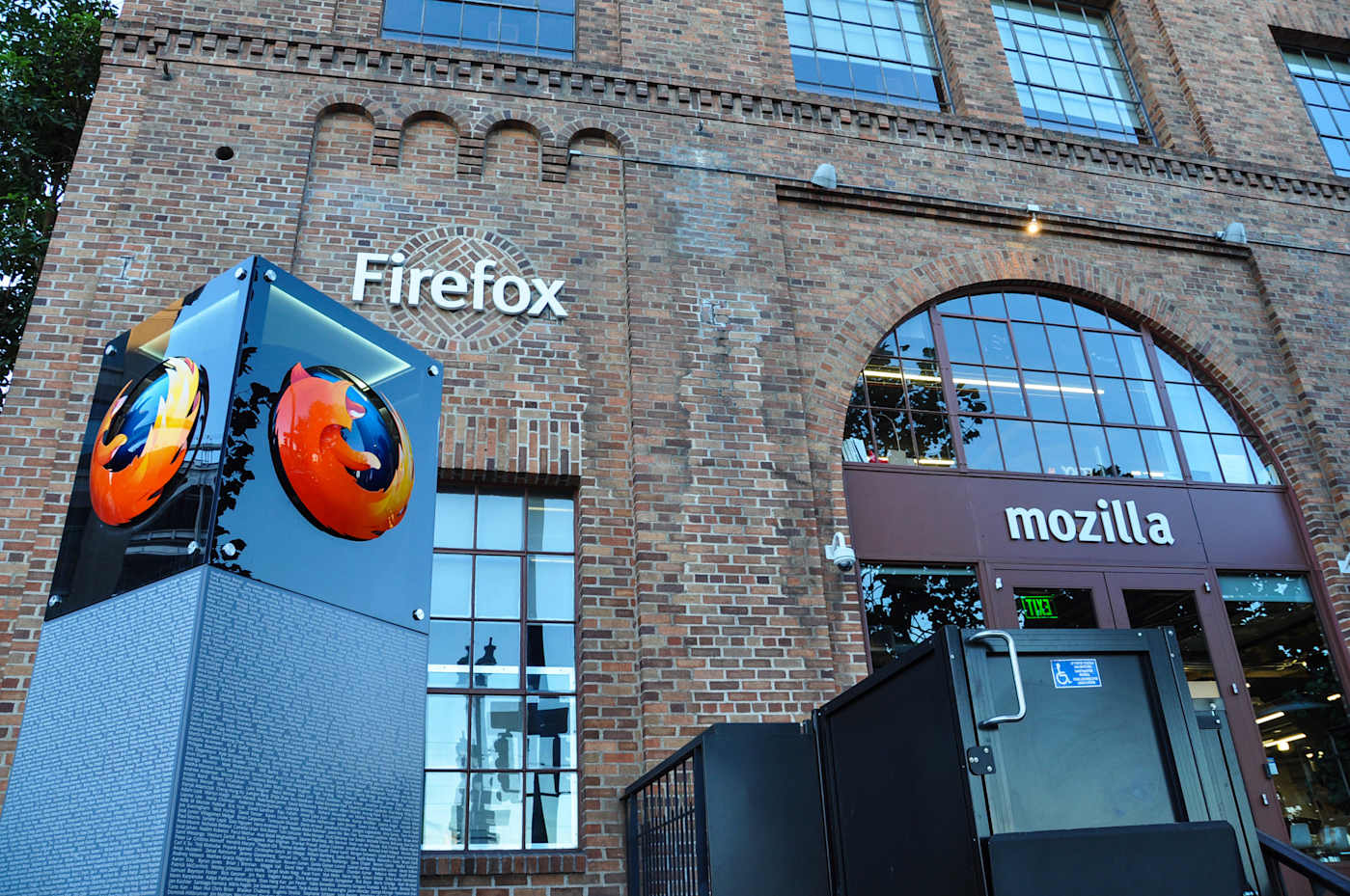
There's a delicious irony unfolding in the cybersecurity world right now. Mozilla announced that Anthropic's Claude Mythos AI model helped identify and patch 271 vulnerabilities in Firefox — a genuinely impressive demonstration of AI's defensive potential. Days later, we learned that hackers had gained unauthorized access to that same Mythos model, the very tool designed to find security flaws.
This isn't just bad timing. It's a crystal-clear illustration of the paradox defining modern cybersecurity: AI has become simultaneously our strongest defense and our most exploitable weakness.
The Mozilla announcement was meant to validate what cybersecurity professionals have long hoped — that AI could automate the tedious, critical work of vulnerability detection at a scale human researchers simply can't match. And it worked. Two hundred seventy-one bugs found and fixed is nothing to dismiss. But the Mythos breach reveals the flip side: when attackers get their hands on the same AI tools, they inherit a roadmap to every system weakness those models can identify.
Meanwhile, OpenAI quietly released its Privacy Filter, an open-weight model designed to detect and redact personally identifiable information. It's another defensive AI tool, this time protecting against data leaks. But here's the pattern: every new AI security tool also represents a new attack surface. The Privacy Filter could be reverse-engineered to identify exactly what patterns it flags as sensitive. Mythos, designed to find vulnerabilities, becomes a vulnerability itself when compromised.
We're watching the emergence of what security researchers call an "AI arms race," but it's more complicated than that phrase suggests. Traditional arms races involve two sides developing better weapons. This is different. The same tool functions as both sword and shield, depending on who's holding it. A model trained to detect phishing attempts can also generate more convincing phishing emails. An AI that finds code vulnerabilities serves both the patcher and the exploiter.
The troubling reality is that defenders face structural disadvantages. They must secure every possible entry point. Attackers only need to find one. When AI amplifies both sides' capabilities, it amplifies this asymmetry too. Mozilla's success with Mythos proves AI can scan codebases for flaws at unprecedented speed — but so can anyone else with access to similar tools.
The breach of Mythos specifically highlights another dimension: AI models themselves are now high-value targets. Stealing a cybersecurity AI isn't like stealing a password database or credit card numbers. It's stealing the ability to find weaknesses across countless systems, a skeleton key to digital infrastructure.
So where does this leave us? The answer isn't to stop developing defensive AI tools — Mozilla's 271 patched vulnerabilities represent real protection for millions of users. But we need to fundamentally rethink how we deploy and protect these systems. Open-weight models like OpenAI's Privacy Filter offer transparency and customization, but also easy access for adversaries. Proprietary models like Mythos can be better secured, but become single points of catastrophic failure when breached.
The uncomfortable truth is that AI hasn't solved the cybersecurity problem. It's complicated it in ways we're only beginning to understand. Every defensive breakthrough creates new attack vectors. Every tool we build to protect ourselves becomes a tool that must itself be protected.
We're not just in an arms race. We're in a hall of mirrors, where each reflection of safety reveals another angle of vulnerability.