

Alphabet's Robotaxi Gamble Just Got More Expensive
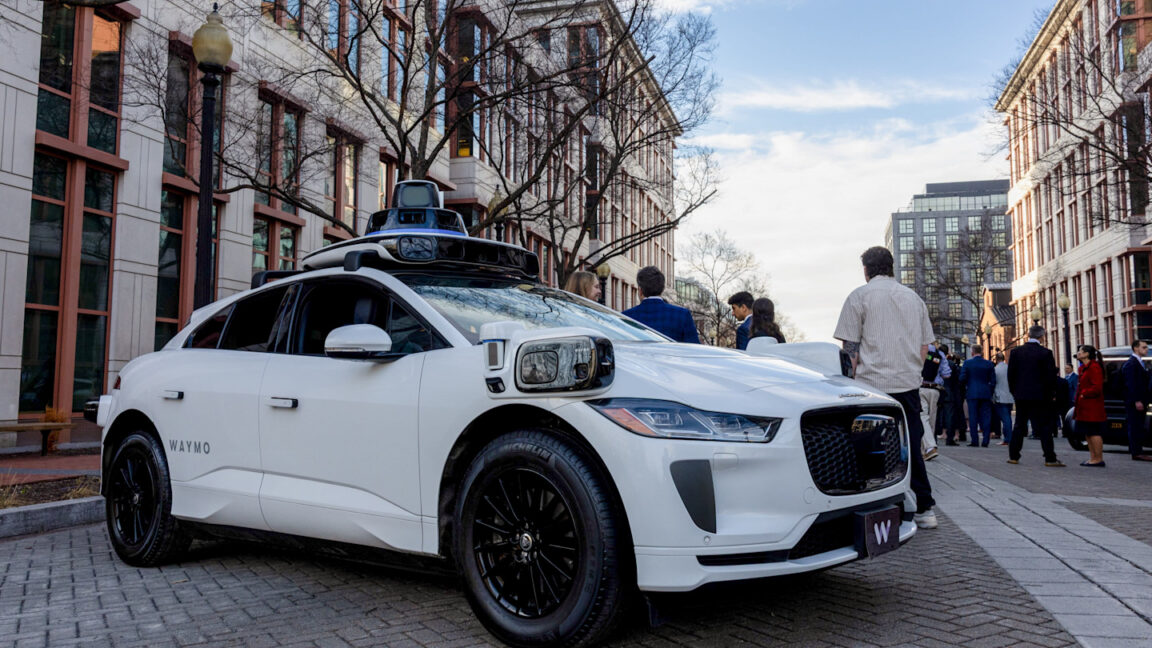
Waymo just doubled its lobbying spend, and if you're paying attention to the autonomy space, this should terrify and excite you in equal measure.
The Alphabet-owned robotaxi company isn't throwing money at Washington because their technology needs work. By most accounts, Waymo runs the most mature autonomous taxi service in the United States, with genuine driverless operations in multiple cities. They're spending because they've recognized something their competitors are still figuring out: the hardest part of deploying autonomous vehicles isn't the engineering—it's the politics.
This marks a significant strategic shift in how autonomous vehicle companies approach market entry. For years, the industry's dominant narrative suggested that whoever cracked Level 4 autonomy first would win. Build the best self-driving system, the thinking went, and regulatory approval would follow naturally. Waymo's lobbying budget tells a different story. It suggests that technical leadership, while necessary, isn't sufficient. The real competitive moat might be regulatory access.
The timing is revealing. Waymo faces mounting competition from Uber, which has pivoted from building its own self-driving technology to partnering with multiple autonomy providers. Uber brings something Waymo can't easily replicate: an existing network of millions of riders and a decade of refined logistics software. In this context, Waymo's lobbying spend looks less like confidence and more like urgency. They need to secure favorable regulatory frameworks in key markets before Uber's platform advantages become insurmountable.
What's particularly interesting is what this means for the dozens of other autonomous vehicle startups burning through venture capital. If Waymo—backed by Alphabet's seemingly infinite resources—feels compelled to double their political spending, what hope do smaller players have? The message is stark: you can have the world's best autonomy stack, but without regulatory access, you're building technology with nowhere to deploy it.
This also exposes a broader tension in how we govern emerging technologies. Autonomous vehicles could dramatically improve road safety, reduce traffic congestion, and increase mobility for elderly and disabled populations. But realizing these benefits requires navigating a fragmented regulatory landscape where each city, county, and state maintains different rules. Waymo isn't just lobbying for their own advantage—they're essentially doing the expensive political work of creating the regulatory infrastructure that the entire industry needs.
The question is whether this regulatory capture—and let's call it what it is—serves the public interest. Does Waymo's lobbying push create sensible frameworks for autonomous vehicle deployment, or does it simply entrench the advantages of well-funded incumbents while shutting out innovative competitors?
The robotaxi wars were always going to be won or lost in city halls and state legislatures as much as in R&D labs. Waymo's doubled lobbying budget is just the most visible acknowledgment yet that the battle for autonomous transportation is fundamentally a battle for political access. The best technology doesn't always win. Sometimes, the best-connected technology wins instead.