
Apple's Hardware Chief Just Jumped to OpenAI — Here's Why That Matters More Than You Think
When Paul Meade leaves Apple to run OpenAI's new hardware division, he won't just be changing employers. He'll be bringing with him the institutional knowledge of how to ship complex consumer hardware at scale — something OpenAI has never done and desperately needs to learn.
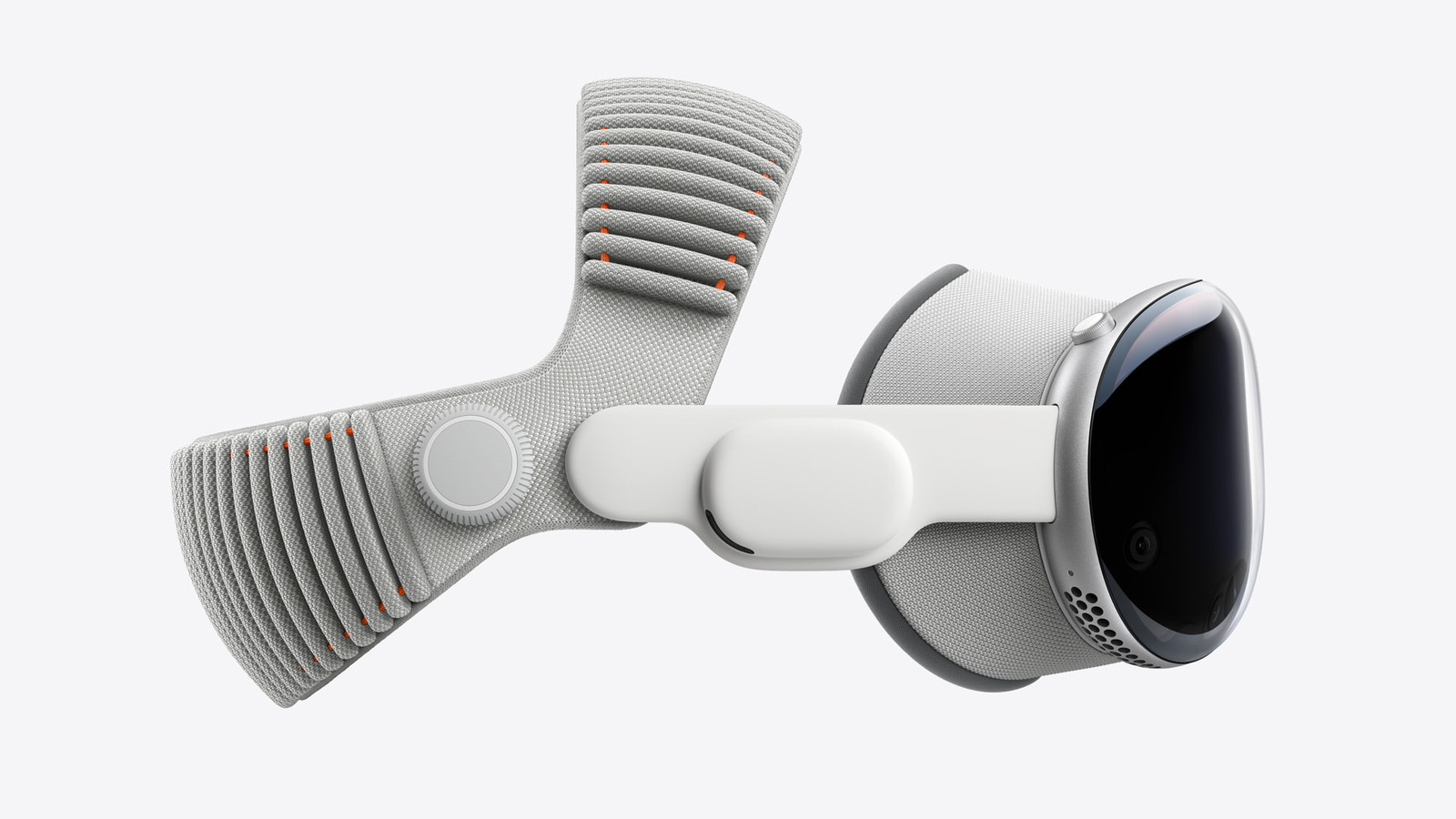
Meade led development of the Vision Pro, a product that, regardless of its commercial success, represents one of the most ambitious hardware engineering projects in recent memory. Now he's tasked with turning OpenAI's collaboration with Jony Ive into actual physical products. That's not a lateral move. It's a recognition that the current AI boom has hit a ceiling that can't be solved with better algorithms alone.
Look at the pattern emerging across the industry. HP just announced a "Frontier" partnership with OpenAI to integrate AI throughout its operations. Apple executives are reportedly shipping touchscreen MacBooks ahead of schedule. Meanwhile, Google is literally rationing access to its Gemini models because Meta exceeded capacity limits. These aren't isolated incidents — they're symptoms of an industry realizing that the next phase of AI competition will be won or lost in hardware.
The software-first approach that dominated the past two years of generative AI is running into hard physical constraints. You can't train bigger models without more chips. You can't deploy AI at scale without purpose-built devices. You can't reach consumers effectively through apps alone when those apps are competing for attention with ten thousand others.
This is why OpenAI hiring Meade matters more than it might appear. The company has world-class AI research but zero track record shipping consumer hardware. They're working with Jony Ive on "AI devices" including smart speakers, but Ive's design studio hasn't shipped anything since he left Apple in 2019. Meade brings something neither OpenAI nor Ive's team has: recent experience navigating supply chains, manufacturing partners, quality control at scale, and the thousand invisible details that separate a compelling demo from a product you can actually buy.
The timing is telling. OpenAI is making this move while simultaneously watching Meta get throttled by Google for using too much computing capacity, and while desktop robots like Reachy Mini are demonstrating that all-local AI is becoming viable for consumer applications. The message is clear: relying on cloud infrastructure and other companies' hardware platforms introduces dependencies that become liabilities as competition intensifies.
What we're witnessing is the AI industry's hardware awakening — a recognition that sustainable competitive advantage requires controlling more of the stack. Software companies are hiring hardware veterans. Hardware companies are racing to integrate AI. And executives with experience shipping both, like Meade, are suddenly among the most valuable people in tech.
OpenAI's bet is that the companies who win the next decade won't just have the best models. They'll have the best models running on the best hardware, shipped to customers through the best integrated experiences. That's Apple's playbook, and now they're hiring the people who wrote it.
The real question isn't whether OpenAI can build good hardware. It's whether they can do it fast enough to matter in a market where Google, Apple, Meta, and Amazon are all racing toward the same conclusion.