
Big Tech Just Decided Your Humanoid Robot Needs a Corporate Overlord
Meta's acquisition of Assured Robot Intelligence this week should worry anyone who cares about innovation in robotics. Not because Meta bought a promising startup—that happens every day. But because of what it signals: the humanoid robotics space is rapidly consolidating under the same tech giants that already control our phones, our searches, and increasingly, our AI models.
ARI wasn't some struggling company desperate for a buyer. They were building serious technology for whole-body humanoid control systems—exactly the kind of fundamental research that takes years to pay off. But in today's market, that timeline is a liability. When Meta comes knocking with its Superintelligence Labs checkbook, most founders face an impossible calculus: accept the acquisition or try to compete against a company with effectively unlimited resources.
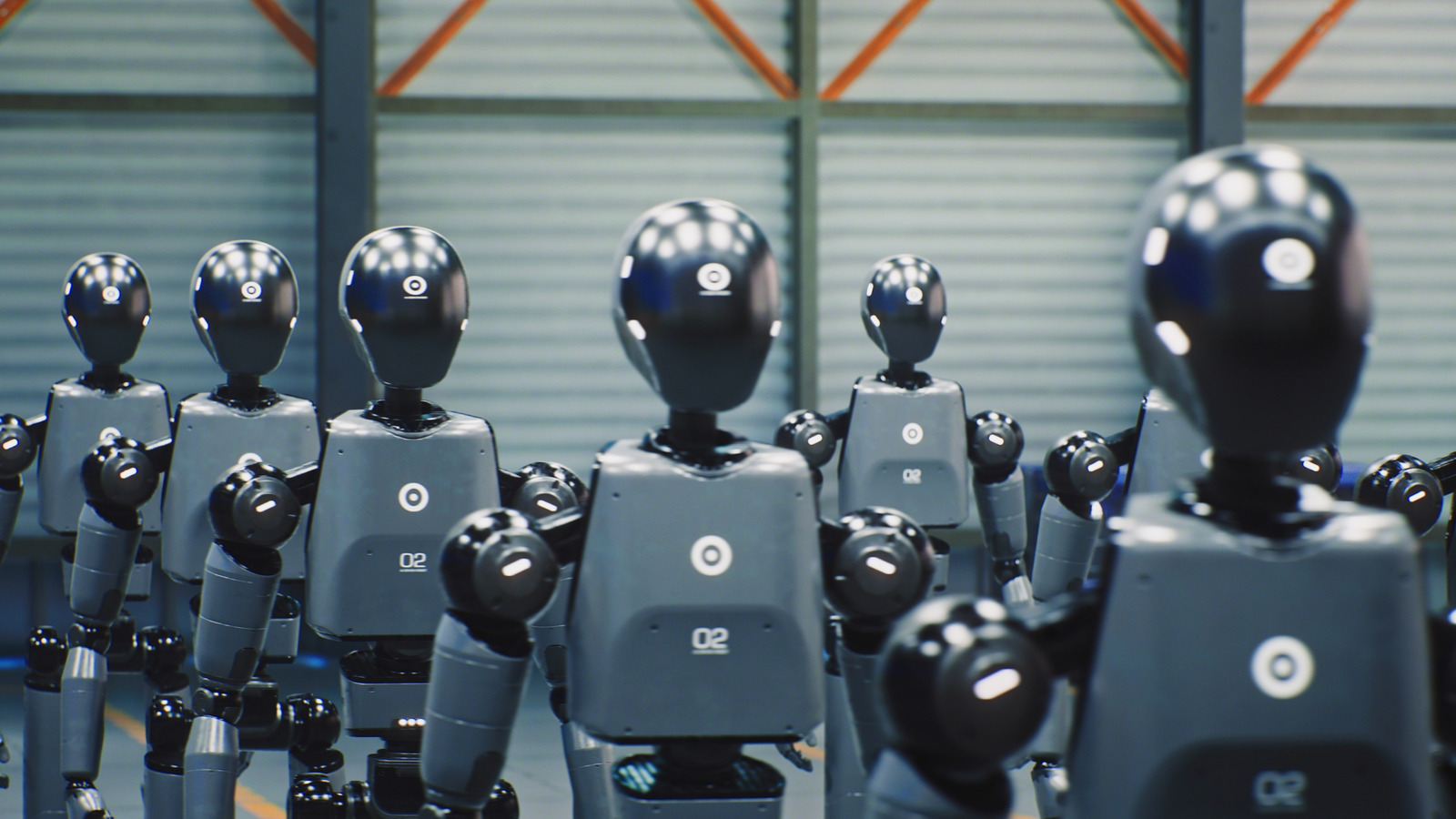
This is the same playbook that consolidated social media, search, and cloud computing. And it's accelerating. Look at the pattern emerging from recent news: Schaeffler committing to 1,000 Hexagon humanoids by 2032, Japan Airlines deploying humanoids at Haneda Airport, Tesla's reported plans for 10 million Optimus units. These aren't pilot programs anymore—they're industrial-scale deployments that require the kind of capital and infrastructure only major corporations can provide.
The counterargument is obvious: big tech money accelerates development. Meta's resources will help ARI's technology reach more robots faster than the startup could have managed alone. Zuckerberg's announcement about AI agents for personal and business use suggests Meta sees humanoids as part of a broader platform play. That scale could be transformative.
But here's what gets lost in acquisition press releases: the original vision. ARI's founders weren't just building control systems—they were presumably building them with specific assumptions about how humanoid robots should work, what problems they should solve, who should own them. Now those decisions get filtered through Meta's strategic priorities, which revolve around the metaverse, social platforms, and competing with OpenAI.
The robotics industry has always had an uncomfortable relationship with tech giants. Google's early robotics acquisitions mostly ended in failure or spinoffs. Amazon built a robotics empire but kept it narrowly focused on warehouses. Now we're entering a new phase where the robots aren't specialized tools but general-purpose machines designed to work alongside humans—and the companies building them are the same ones currently facing antitrust scrutiny for their dominance in digital spaces.
What's particularly concerning is the timing. Humanoid robotics is finally reaching technical viability after decades of research. University labs and independent startups have done the hard work of solving locomotion, manipulation, and environmental awareness. Now, just as that research is ready to commercialize, the exits are all pointing toward Menlo Park, Seattle, and Mountain View.
The alternative path—independent robotics companies scaling on their own—is getting harder to imagine. Investors increasingly expect robotics startups to have an AI strategy, which means competing for the same talent pool as OpenAI and Anthropic. Hardware development requires sustained capital through long product cycles. And the potential acquirers keep getting bigger and more aggressive.
None of this makes Meta's acquisition wrong, exactly. But it does make it part of a pattern that deserves scrutiny. The future of humanoid robotics is being shaped right now, in this narrow window before the technology fully matures. Once these platforms are established, changing course becomes exponentially harder.
The question isn't whether big tech will play a role in humanoid robotics—that ship has sailed. It's whether there will be room for anyone else.