
Edge Computing Finally Makes Robots Practical — And Nobody Saw It Coming
There's a quiet revolution happening in robotics that has nothing to do with humanoid form factors or viral demos. It's happening in the chips.
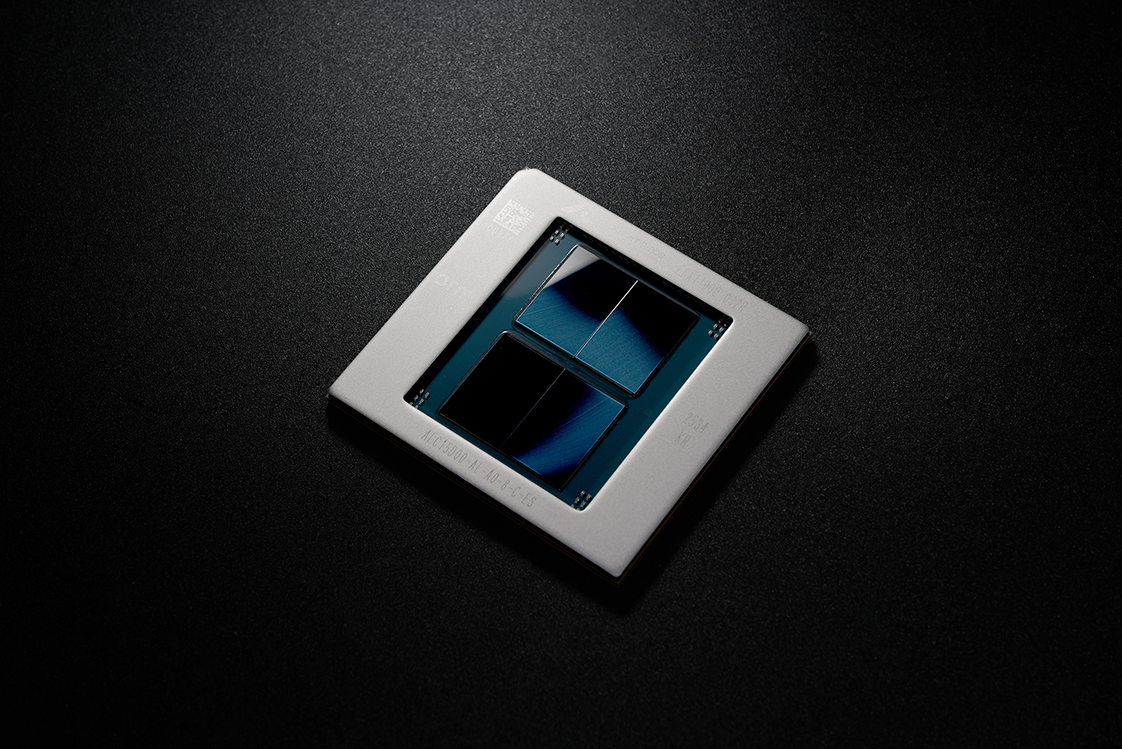
Edge AI processors from NVIDIA, AMD, and Qualcomm are enabling robots to run sophisticated AI models locally, without internet connectivity. This might sound like incremental progress — a technical footnote buried in component specifications. But it represents the removal of robotics' most fundamental deployment barrier: the assumption that intelligent machines need to phone home to think.
For the past decade, robotics has operated under an uncomfortable truth. The most impressive demonstrations — the ones that garnered headlines and venture funding — almost always relied on cloud processing. Boston Dynamics' parkour routines, warehouse picking systems, even simple navigation tasks: they worked beautifully in controlled environments with robust connectivity. They worked less beautifully in rural warehouses, manufacturing floors with RF interference, or anywhere the internet connection dropped below acceptable latency thresholds.
This created a deployment paradox. The environments that needed automation most — remote facilities, harsh industrial settings, infrastructure inspection sites — were precisely the places where cloud-dependent robots struggled. Companies would announce partnerships, run pilots, then quietly shelve projects when connectivity realities collided with technical requirements.
What's changed isn't just that edge processors exist. It's that they've crossed a capability threshold while simultaneously becoming approachable. Companies like Numurus are building abstraction layers like NEPI that hide the complexity of running AI models on heterogeneous edge hardware. This matters more than the raw computational power, because it means robotics companies can focus on applications instead of semiconductor architectures.
The timing aligns with another shift that's easy to miss in the noise: model optimization. The same AI models that required data center GPUs two years ago now run on chips you can hold in your palm. Quantization techniques, pruned architectures, and specialized inference engines have compressed what once demanded cloud resources into embedded form factors.
Look at the applications emerging from this convergence. Autonomous trucks operating in areas with spotty cellular coverage. Manufacturing robots that can't afford millisecond cloud latencies. Agricultural systems working in fields with no connectivity infrastructure whatsoever. These aren't moonshot projects — they're happening now, enabled by processors that weren't commercially viable three years ago.
The irony is that this transformation arrives just as the industry obsesses over humanoid robots and foundation models. Those capture attention and funding. But the unglamorous work of making robots function reliably in disconnected environments might ultimately prove more consequential for actual deployment numbers.
Edge AI doesn't generate the same excitement as a bipedal machine doing backflips. There's no viral video when a picking robot continues operating during a network outage. But there's revenue, scalability, and — finally — the kind of reliability that turns pilots into production deployments.
The next wave of robotics won't be defined by what machines can do in laboratory conditions. It'll be defined by what they can do when nobody's watching, when the internet is down, and when there's no engineer on-site to troubleshoot. That future just became considerably closer, one edge processor at a time.