

Enterprise AI Adoption Just Became Unavoidable
Something shifted this week in the enterprise AI landscape, and it happened quietly enough that most people missed it. Samsung Electronics—one of the world's largest technology manufacturers—deployed ChatGPT Enterprise and Codex to its entire global workforce. Not a pilot program. Not a limited trial. The whole organization.
This is OpenAI's largest enterprise implementation to date, and it matters for reasons beyond the sheer scale. Samsung isn't a software company experimenting with new tools. It's a hardware giant with complex manufacturing operations, supply chains, and engineering workflows. When a company like that commits to organization-wide AI deployment, it's not making a bet on the future—it's responding to present competitive pressure.
The timing tells the story. The same week Samsung announced its deployment, OpenAI rolled out new spend controls and usage analytics specifically designed for enterprise customers. These aren't features you build for experimental adopters. They're infrastructure for organizations treating AI as critical business systems, the kind that need budget oversight and usage monitoring because they're woven into daily operations.
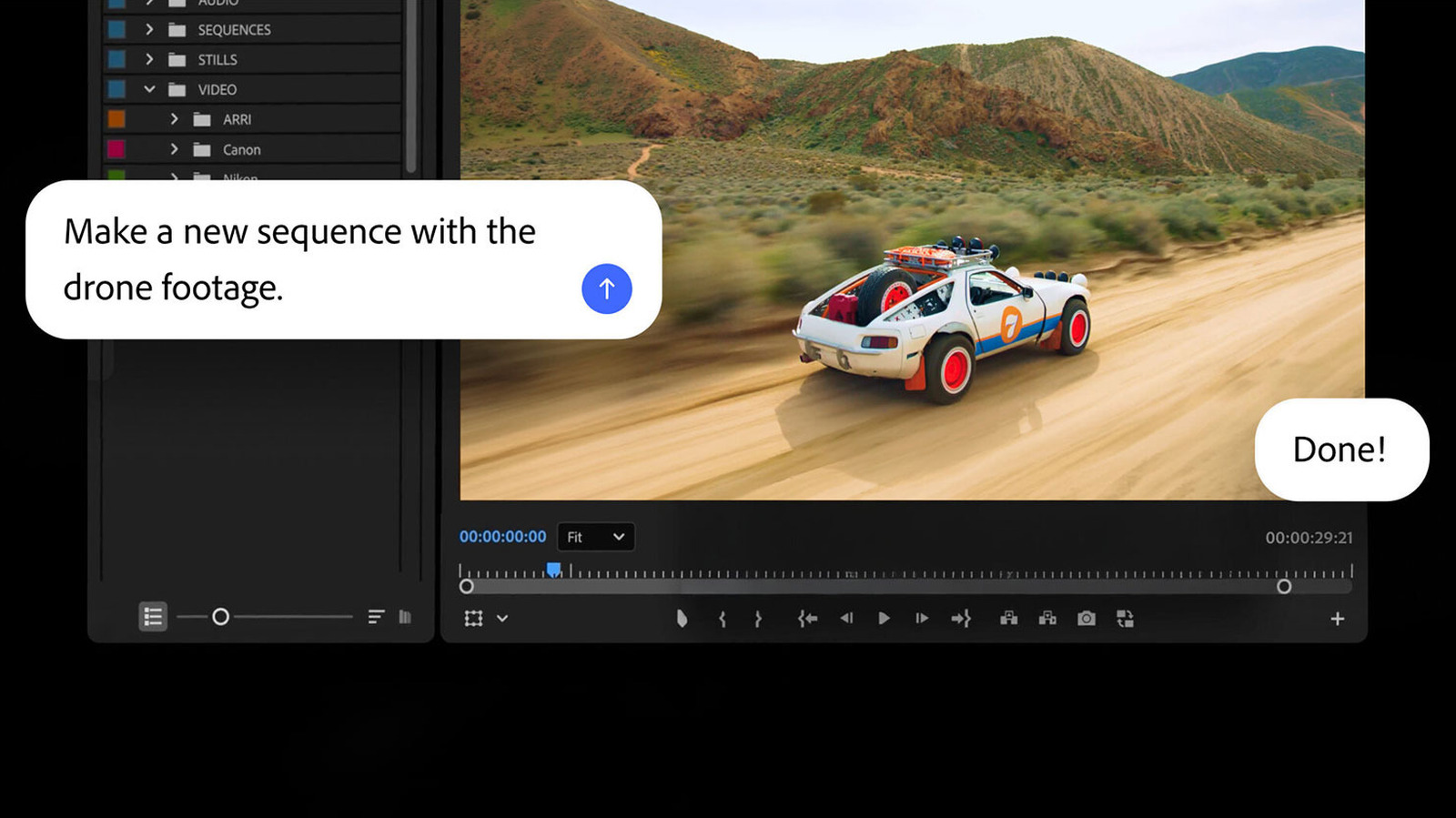
Meanwhile, Adobe integrated its Firefly AI Assistant directly into Premiere, Photoshop, and Illustrator—not as an optional plugin, but as a core sidebar feature for automating workflows. Getty Images, which spent the past two years positioning itself against AI companies, signed a multi-year deal with OpenAI. Even healthcare is accelerating: researchers successfully used OpenAI's reasoning models to diagnose 18 previously unsolved rare genetic disease cases in children.
What we're witnessing isn't gradual adoption. It's capitulation. Companies that positioned themselves as AI skeptics are now signing partnerships. Organizations that ran small pilots are deploying enterprise-wide. Industries that moved cautiously—like healthcare—are publishing clinical success stories.
The common thread is urgency. Samsung didn't deploy ChatGPT Enterprise because its current systems failed. It deployed because competitors are moving faster. Getty didn't embrace OpenAI because it changed its philosophical stance on AI training data. It did so because other image libraries were already cutting deals, and staying pure meant becoming irrelevant.
This creates a brutal dynamic for companies still treating AI as experimental. The gap between organizations with integrated AI workflows and those without is widening faster than most executives realize. Samsung's engineers can now generate code, analyze data, and automate documentation at speeds their competitors can't match. Adobe users can delegate repetitive tasks that once consumed hours. Healthcare providers can consider diagnoses that human physicians might miss.
The enterprises still running AI pilots and forming committees to evaluate potential use cases aren't being cautious—they're falling behind. Because the companies making headlines this week aren't the innovative early adopters anymore. They're the pragmatic majority, moving en masse because the competitive cost of waiting finally exceeded the risk of moving forward.
When deployment at scale becomes the norm rather than the exception, the question shifts from "Should we adopt AI?" to "How fast can we catch up?" For many organizations asking that question today, the honest answer might be uncomfortable.