
Google Just Proved Nobody Actually Wants AI Assistants
Google renamed NotebookLM to Gemini Notebook this week. They also announced that AI Mode in Search now integrates with Canva, YouTube Music, and Instacart. Meanwhile, the European Union ordered the company to give rival AI assistants greater access to Android by mid-2027. Three separate news items, one revealing pattern: nobody—including Google—knows what an AI assistant is supposed to be.
The rebrand from NotebookLM to Gemini Notebook is particularly telling. NotebookLM had carved out a genuine niche as a research tool with over 30 million users. It had a clear purpose and a devoted user base. But Google couldn't resist folding it into the Gemini brand, presumably because "Gemini" sounds more like the future of AI than a humble notebook app. The move suggests that brand consolidation matters more than product clarity.
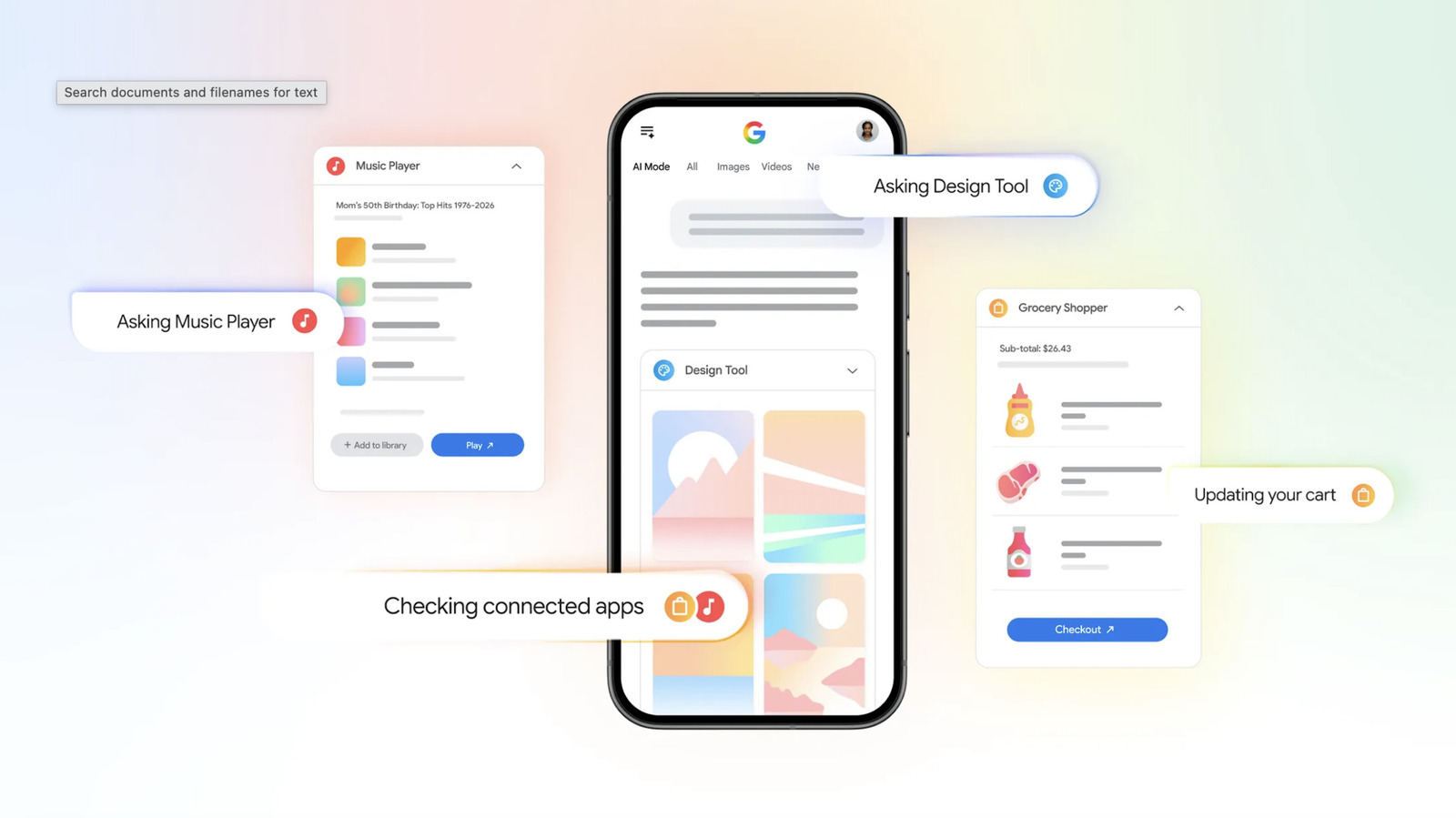
Then there's AI Mode's new integrations. You can now ask Gemini to create playlists, design graphics, and compile shopping lists without switching apps. On paper, this sounds convenient. In practice, it reveals a scattershot approach to AI deployment. These aren't features users demanded—they're capabilities Google can technically deliver, so they're shipping them. The distinction matters.
The EU ruling adds another layer of confusion. By forcing Google to open Android to rival AI assistants, regulators are essentially mandating competition in a market that hasn't proven its value yet. Google allegedly used its dominant mobile OS to disadvantage competitors, but what exactly are these AI assistants competing to do? Schedule appointments? Answer trivia questions? Generate images nobody asked for?
This isn't unique to Google. OpenAI is reportedly developing a humanlike smart speaker despite the market contracting and already being saturated with established competitors. Meta is implementing AI-powered detection for self-harm discussions among teens—a laudable safety feature wrapped in the language of AI innovation. Across the industry, companies are racing to deploy AI assistants without first answering a fundamental question: what problem are we solving?
The honest answer might be "monetizing our AI infrastructure investments." Google has spent billions building AI capabilities. Those capabilities need a consumer-facing application. AI assistants seem like the obvious choice because they've been a science fiction staple for decades. But wanting AI assistants to work doesn't make them useful.
Compare this to genuinely useful AI applications we've seen recently. Netflix disclosed that generative AI workflows contributed to roughly 300 titles this year, mostly in post-production for complex visual sequences. That's AI solving a specific production problem. Maximo and Xpanner are using computer vision and robotics to accelerate solar panel installation—AI addressing a concrete labor shortage. These applications succeed because they target clear inefficiencies.
AI assistants, by contrast, are solutions in search of problems. They can do many things adequately but few things indispensably. Google's integration spree and forced rebranding won't change that. Neither will regulatory mandates requiring equal access to a product category nobody has quite figured out yet.
The AI assistant gold rush continues because admitting uncertainty would crater billions in market valuations. But this week's flurry of Google news suggests the truth is leaking out anyway. When your product strategy involves rebranding successful tools, adding features nobody requested, and fighting regulatory battles over market access to unclear value propositions, you're not iterating toward product-market fit. You're hoping usage somehow materializes before the investments come due.