

Hobbyists Are Building the Robots Big Tech Won't
Something curious is happening in robotics, and it's not coming from the usual suspects. While Google DeepMind announces full-body control systems for humanoid robots and KUKA deploys AI-driven platforms for automakers, a different story is emerging from an unexpected place: individual makers building robots in their spare time.
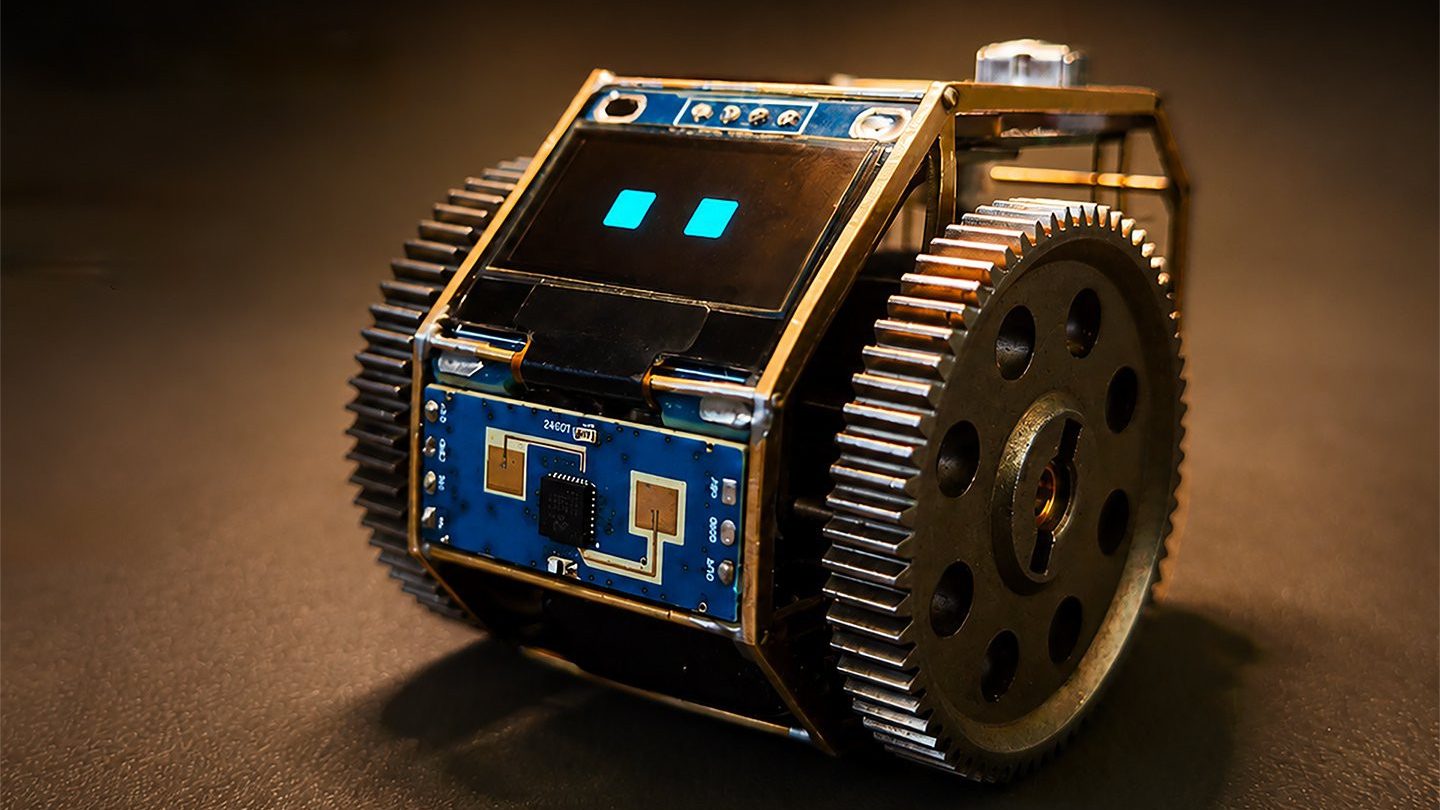
Consider the recent wave of hobbyist projects. Someone modified a hexapod walker to sense force through voltage drop measurements across resistors — a brilliantly simple hack that gives the robot proprioceptive feedback without expensive torque sensors. Another developer created TongDou, an open-source desktop robot with radar and IMU sensors, publishing all design files on GitHub. A third built a custom beach cart robot using an ESP32 microcontroller and smartphone control, solving the very real problem of hauling gear across sand.
These aren't toy projects. They represent a fundamentally different approach to robotics development than what dominates industry coverage. Where enterprise robotics obsesses over scalability, integration with existing infrastructure, and return on investment, hobbyist robotics prioritizes ingenuity, accessibility, and solving problems that corporations don't find profitable enough to address.
The contrast is stark. Corporate robotics requires massive capital, extensive testing cycles, regulatory compliance, and market validation before deployment. The hexapod sensing modification? Implemented with basic electronics principles and existing servo motors. The beach robot? Built from e-bike parts and off-the-shelf sensors. These projects move from concept to working prototype in weeks, not years.
What makes this trend particularly significant is its timing. As the robotics industry consolidates around a handful of platforms and foundation models, hobbyist development is fragmenting in productive ways. Open-source hardware, affordable microcontrollers, and accessible fabrication tools have lowered barriers to entry dramatically. The ESP32 microcontroller, which appears in both the desktop robot and beach cart projects, costs less than $10 and provides computing power that would have required enterprise-grade equipment a decade ago.
This democratization matters for reasons beyond feel-good stories about garage inventors. Hobbyist projects explore design spaces that corporations ignore. They validate unconventional approaches. They create knowledge that eventually filters into commercial applications. The maker who added force sensing through resistor voltage drop isn't competing with Boston Dynamics — they're exploring sensing modalities that might inform future low-cost industrial applications.
The open-source ethos driving these projects also addresses a growing concern in enterprise robotics: vendor lock-in and proprietary ecosystems. When a hobbyist publishes design files on GitHub, they're creating replicable knowledge that anyone can build upon. Compare this to the closed development cycles of commercial robotics platforms, where even basic specifications often remain proprietary.
None of this diminishes the importance of well-funded robotics research or commercial deployment. Google's Gemini Robotics 2 and similar advances represent genuine breakthroughs in capability. But the hobbyist movement offers something equally valuable: proof that robotics expertise need not require institutional backing, that useful robots can emerge from individual creativity, and that the field remains accessible to anyone willing to learn.
As robotics matures as an industry, maintaining this parallel track of independent development will be crucial. The beach cart robot won't revolutionize logistics. The desktop radar bot won't transform manufacturing. But collectively, these projects sustain an experimental culture that keeps robotics weird, accessible, and open to unexpected innovation. That's worth celebrating, even if it doesn't make the venture capital headlines.