

Nobody Wants to Call Anything AI Anymore
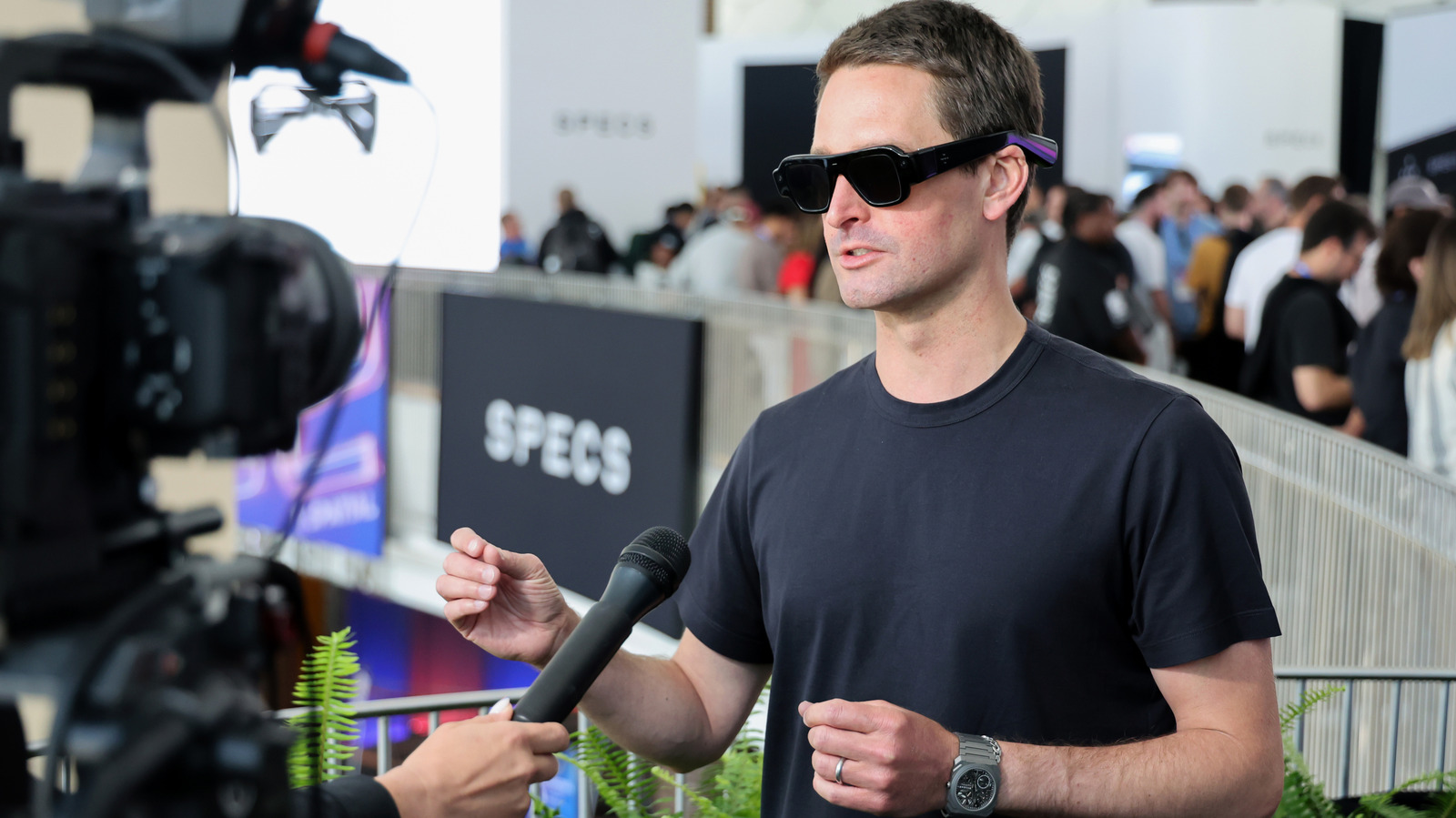
Evan Spiegel stood on stage last week to unveil Snap's latest hardware and made a curious request: please don't call these AI glasses. The $2,195 Snap Specs are, by his telling, a 'see-through computer' — emphasis on the augmented reality, not the intelligence. It's a small semantic shift with enormous implications.
This distancing act isn't happening in isolation. Look across the recent news cycle and you'll find a pattern: AI, the label that companies spent the past two years plastering on everything from toasters to spreadsheets, is suddenly being downplayed, qualified, or avoided entirely. We're watching an industry-wide rebranding in real time, and it tells us more about where AI is heading than any product launch.
The evidence is everywhere. Steam Next Fest just revealed that only one-fifth of game demos bother disclosing their use of generative AI — a striking number when you consider how aggressively developers were promoting AI features just months ago. That 80% silence isn't accidental. It's a strategic retreat from a label that's become more liability than asset.
What changed? In short, reality caught up with the hype cycle. After two years of breathless promises about AI transforming everything, users are experiencing the gap between marketing and capability firsthand. ChatGPT's new scheduled tasks hub is genuinely useful, but it's also a reminder that we're still building elaborate systems to handle what amounts to fancy reminders. Adobe's integration of Firefly into Creative Cloud is powerful, yet many designers remain skeptical about AI-generated content diluting their craft.
More troubling for the industry is the growing association between AI and controversy. Anthropic just had to take models offline due to government export controls over dual-use capabilities. Security debates rage over whether advanced models pose national security risks. These aren't the headlines companies want when they're trying to sell consumer products.
Spiegel's repositioning of Snap Specs as AR rather than AI is particularly telling because it suggests companies are realizing that 'AI' has become ambient fear more than aspirational feature. By emphasizing the 'see-through computer' angle and highlighting safety measures like facial recognition prohibitions, Snap is trying to thread an impossibly narrow needle: deliver AI-powered experiences without triggering the baggage that now comes with the term.
This creates a fascinating paradox. The technology is getting better — OpenAI's improvements to health intelligence in ChatGPT and successful applications in rare disease diagnosis show real progress. But the brand is getting worse. We're entering an era where the most sophisticated AI applications will be the ones that never mention AI at all.
The robotics industry should be paying attention. Unlike pure software companies, robotics firms can't easily rebrand away from their technical foundations. When Sanctuary AI reports 99.5% success rates on automotive tasks or RealSense launches AI-native depth cameras, the 'AI' isn't optional marketing speak — it's the fundamental technology enabling the capability.
What we're witnessing isn't the death of AI. It's the end of AI as a selling point. The technology is maturing from revolution to infrastructure, from headline feature to invisible enabler. That's actually healthy. The best technologies eventually become so embedded that we stop naming them.
The question is whether robotics can make the same transition. Unlike a pair of glasses that can be called anything, a robot that relies on machine learning for perception and decision-making can't easily pretend the AI isn't there. The hardware makes the software visible.
Perhaps that forced honesty will serve the industry well. While consumer tech companies scramble to find new names for the same capabilities, robotics might benefit from having no choice but to keep talking about AI — assuming they can shift the conversation from hype to results. Sanctuary's 99.5% success rate is a better story than any marketing slogan.
We're entering the post-AI-branding era. The winners will be the companies that focus on what the technology does rather than what it's called.