

Physical AI Just Became the Industry's Favorite Buzzword
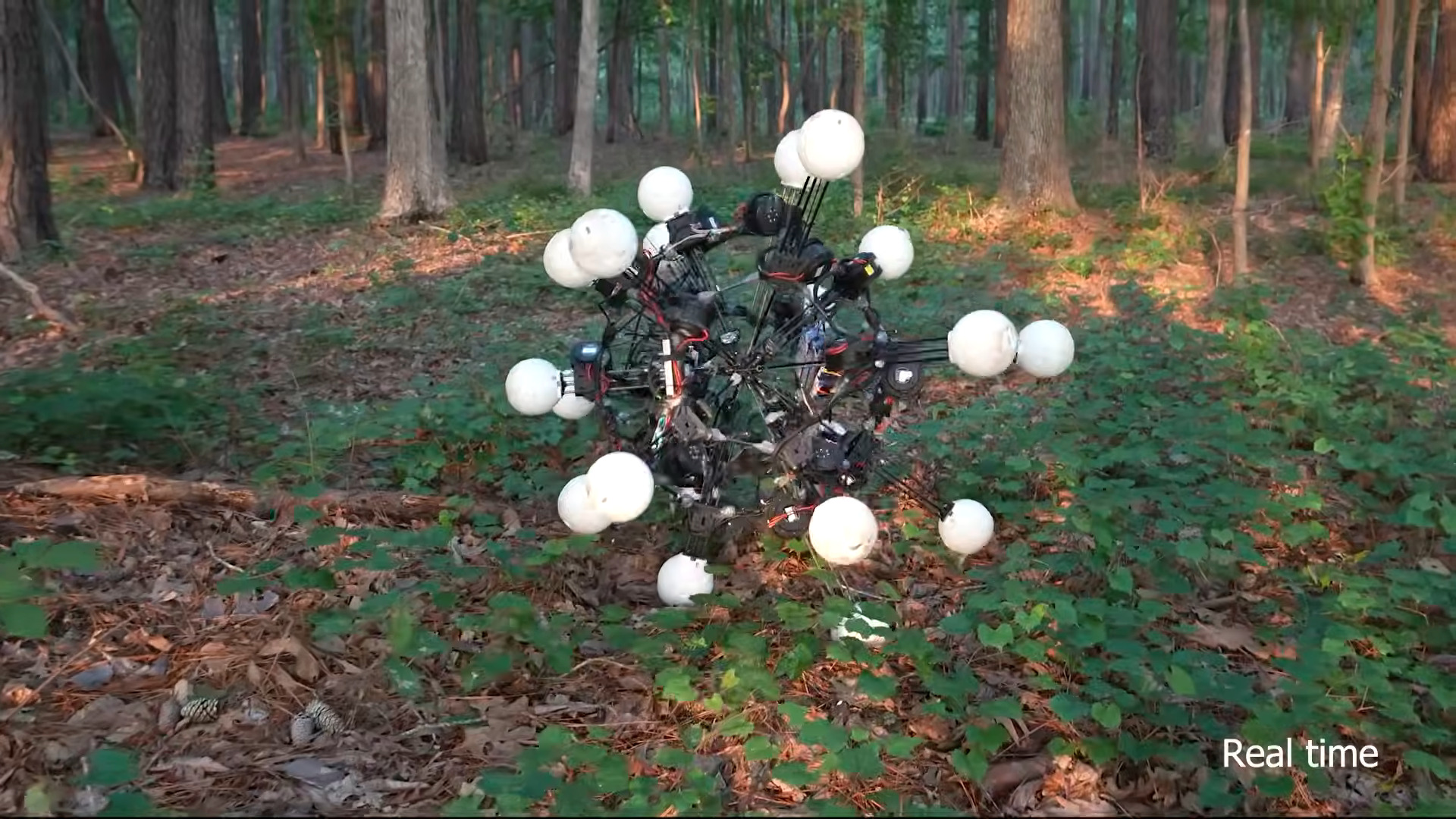
Something curious is happening in robotics nomenclature. Flip through this week's announcements and you'll notice a term appearing with increasing frequency: 'physical AI.' NVIDIA is releasing tools for 'physical AI developers.' RoboBusiness 2026 features a dedicated 'physical AI' track. QNX's research examines bottlenecks in 'physical AI innovation.' The term is everywhere, and it's worth asking: what exactly changed?
On the surface, physical AI sounds like sophisticated rebranding. After all, robots have been using artificial intelligence for decades. Computer vision, path planning, manipulation algorithms—these aren't new concepts. So why the sudden linguistic shift from 'robotics' to 'physical AI'?
The answer reveals something important about where the industry believes it's headed. Traditional robotics emphasized mechanical engineering, control systems, and deterministic programming. You built a robot, wrote code to make it perform specific tasks, and deployed it in controlled environments. Physical AI suggests something different: systems that learn, adapt, and operate in unstructured environments through AI-first architectures.
NVIDIA's announcement is particularly telling. Their toolkit integrates Cosmos world foundation models, Omniverse simulation, and Isaac robotics platforms—essentially treating the physical robot as just one component in an AI development stack. The robot becomes the output device for AI models, rather than AI being a feature added to robots. It's a perspective flip that matters.
This reframing also signals where investment dollars are flowing. 'Robotics' conjures images of manufacturing automation and incremental improvements to established technologies. 'Physical AI' sounds like the next frontier, suggesting that recent advances in large language models and computer vision can finally bridge the sim-to-real gap that's plagued the field for years. Whether that's accurate or aspirational remains to be seen.
The QNX research finding that software architecture has become a bigger bottleneck than hardware supports this shift. As robots increasingly rely on AI models for perception, decision-making, and control, the challenges look less like traditional robotics problems and more like distributed systems and machine learning infrastructure challenges. The skill sets required are changing.
But there's a risk in this rebranding. Physical AI could become a catch-all term that obscures important distinctions. A warehouse AMR running predetermined routes is fundamentally different from a humanoid robot learning manipulation tasks through reinforcement learning, even if both companies slap 'physical AI' on their pitch decks. The term could easily become this decade's 'Industry 4.0'—technically meaningful but practically overused to the point of meaninglessness.
What makes this moment genuinely interesting isn't the terminology itself, but what it reveals about industry self-perception. When everyone from chip makers to conference organizers to robotics startups converges on the same language, it suggests a shared belief that something fundamental is shifting. Whether physical AI represents a genuine paradigm shift or just clever marketing will become clear in the next few years. For now, get used to hearing the term—it's not going anywhere.