

Recalls Are the New Normal for Autonomous Systems
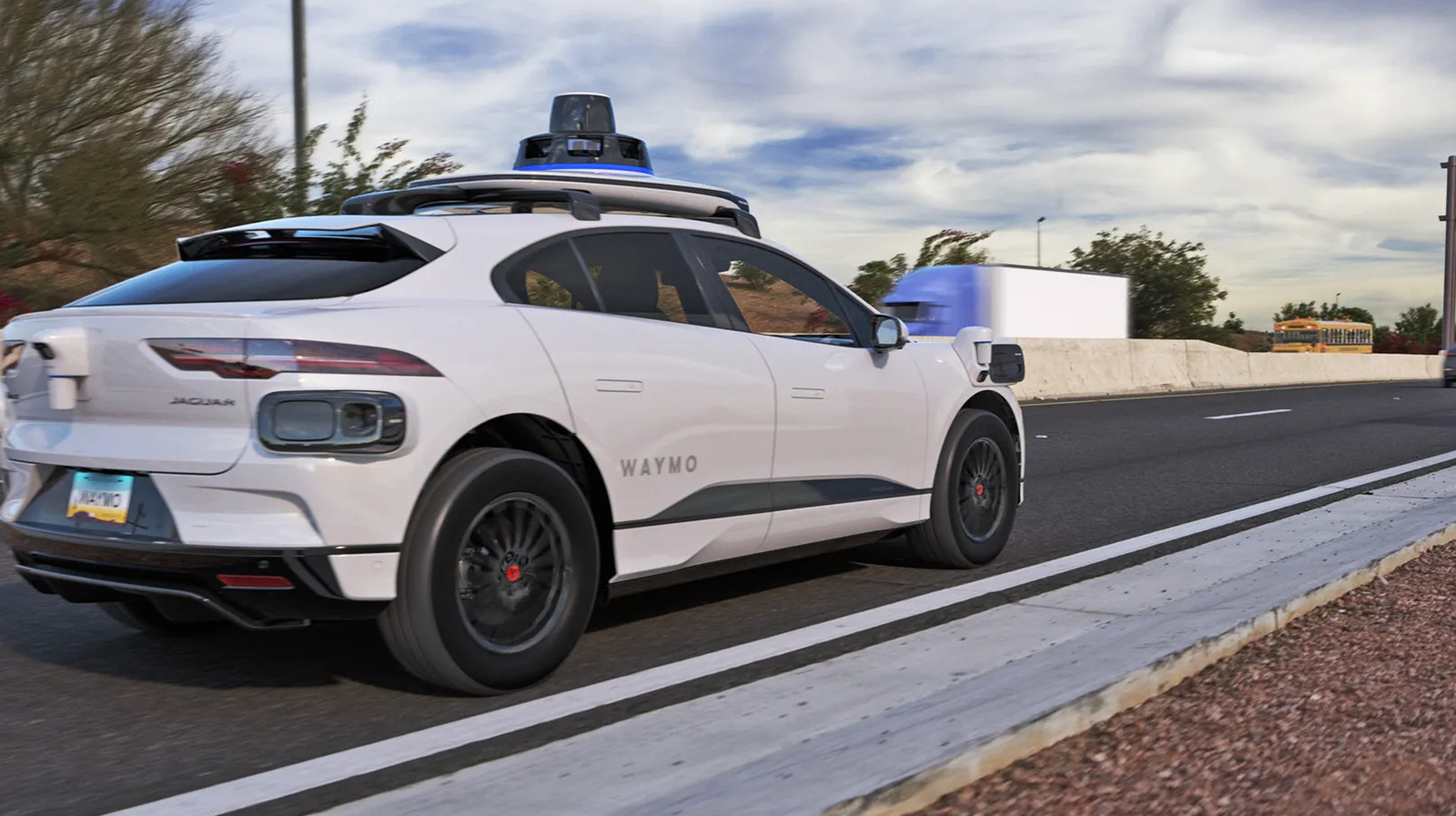
Waymo just recalled over 3,800 robotaxis because they might accidentally drive onto closed freeways at highway speed. For a company that has logged millions of autonomous miles, this isn't just embarrassing — it's revealing.
This marks Waymo's second recall, and it's worth asking: is this a bug or a feature? Not the software bug that caused the problem, but the recall mechanism itself. Because if we're being honest, recalls might be the most important innovation in autonomous systems that nobody's talking about.
Traditional automotive recalls are well-understood. A mechanical defect gets identified, vehicles get flagged, owners bring them in, parts get replaced. The system works because cars are relatively static — the brake pads you installed last year are still brake pads today. But autonomous systems update constantly. The software running a Waymo vehicle today is fundamentally different from what was running six months ago. We're trying to fit a continuous, evolving technology into a framework designed for discrete, physical objects.
This creates a peculiar paradox. On one hand, software-defined vehicles should be easier to fix — push an update, problem solved. Waymo has already restricted its freeway operations and deployed a software patch. No tow trucks, no service appointments, no waiting for replacement parts to ship from Germany. On the other hand, the pace of change means new failure modes emerge constantly. Each update potentially introduces novel edge cases that only manifest in specific real-world conditions.
The real question isn't whether autonomous systems will need recalls — they obviously will — but whether our regulatory infrastructure can handle the volume and velocity. NHTSA's traditional recall process assumes fixes happen in weeks or months, not minutes. It assumes discrete incidents, not continuous improvement. It assumes the thing being recalled tomorrow looks roughly like the thing being recalled today.
None of that applies to autonomous systems.
What's actually promising here is that Waymo self-reported and voluntarily restricted operations before anyone got hurt. That suggests the company understands something crucial: in autonomous systems, the cover-up is impossible. Every vehicle logs everything. Every intervention gets recorded. Every edge case eventually surfaces. You can't hide a systemic software flaw the way you might bury a mechanical defect in warranty claims and quiet settlements.
This transparency is good, but it requires regulators to rethink their entire approach. The current recall system treats every incident as equally catastrophic — a potential freeway intrusion gets the same bureaucratic response as a faulty door latch. That might work for traditional vehicles, but it breaks down when you're dealing with systems that update weekly and discover new failure modes daily.
We need a recall framework that matches the technology's pace. That probably means pre-approved update channels, real-time incident reporting, and risk-based triage that distinguishes between "needs fixing this week" and "needs fixing in the next twelve hours." It definitely means accepting that autonomous systems will never be perfect, just continuously less imperfect.
The alternative is pretending that recalls signal fundamental failure. They don't. In an era of software-defined everything, recalls are just visibility into the messy process of making complex systems work in an infinitely variable world. Waymo's 3,800-vehicle recall isn't a crisis — it's the system working exactly as it should. The crisis would be if they hadn't caught it at all.