

Reverse Engineering Is the New Open Source
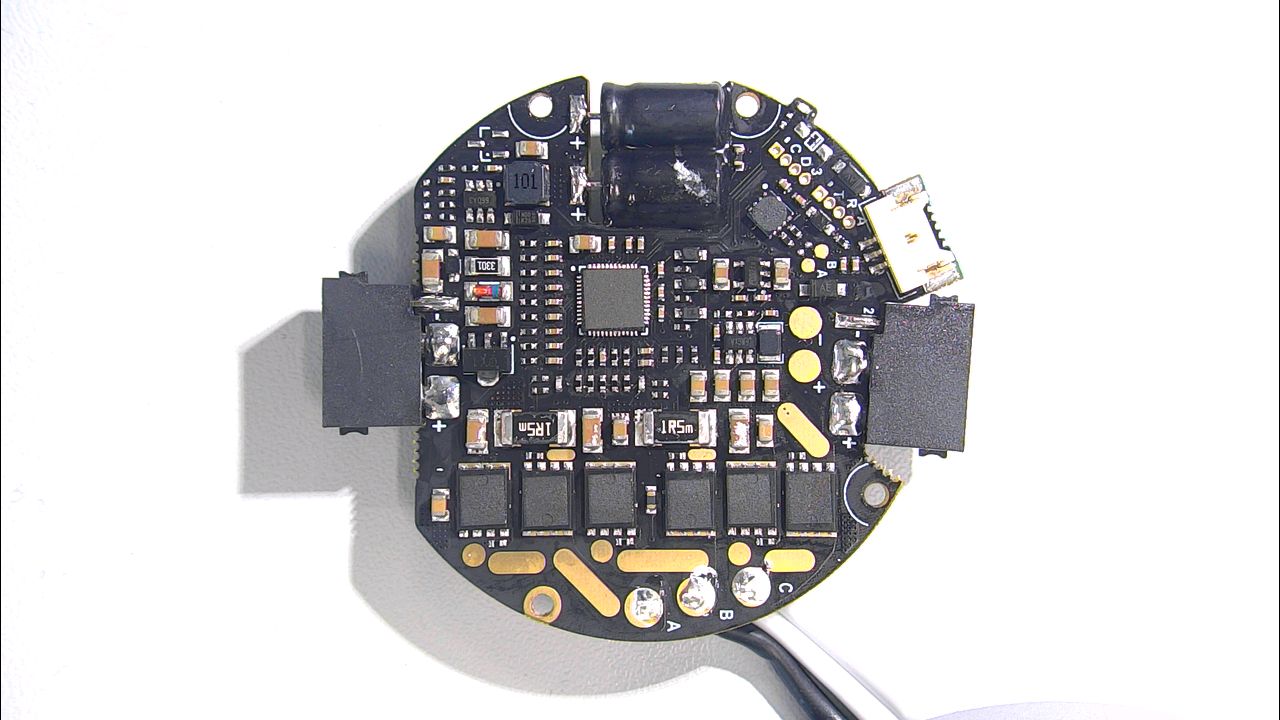
There's a fascinating story buried in the technical weeds this week: someone is reverse-engineering Unitree's proprietary motor firmware by extracting encryption keys from their bootloader. On the surface, it's a standard hardware hacking project. Look closer, and it's a perfect snapshot of where robotics finds itself in 2026 — caught between the rhetoric of open innovation and the reality of locked-down hardware.
The researcher in question is targeting the GO-M8018-6 motors used in Unitree's Go2 quadruped, with the explicit goal of developing open-source firmware. Not to pirate. Not to undercut. Simply to make these motors usable outside Unitree's walled garden. That this requires breaking encryption and reverse-engineering proprietary code says everything about the current state of robotics hardware.
Meanwhile, Open Robotics is preparing a keynote at the upcoming Robotics Summit about how open-source technology is driving AI-powered robotics innovation. Brian Gerkey will discuss the Open Source Robotics Alliance's vision for expanding access. It's a noble mission, and one the industry desperately needs. But here's the tension: while executives talk about open foundations, engineers are literally cracking firmware to get access to basic motor control.
This isn't unique to Unitree. Across the robotics industry, we're seeing a pattern where hardware remains stubbornly proprietary even as software frameworks open up. Companies release impressive robots, lock down the actuators and sensors, then wonder why academic researchers stick with ancient Dynamixel servos instead of adopting newer technology. The answer is simple: you can't build on what you can't access.
The irony is that other fields have already solved this. Look at the AI vulnerability reported in Starlette this week — a critical security flaw in an open-source package that gets 325 million downloads weekly. That's the scale open source achieves when it actually works. FastAPI, built on Starlette, powers countless AI applications precisely because it's accessible, modifiable, and widely adopted. Nobody needs to reverse-engineer Python packages.
GE Vernova's acquisition of Robotech Automation highlights another dimension of this problem. As industrial giants expand their robotics capabilities, they're buying integration expertise — the knowledge of how to make disparate proprietary systems work together. That integration layer exists primarily because nothing talks to anything else by default. It's a multi-billion dollar industry built on the friction of closed systems.
The researcher reverse-engineering Unitree's motors isn't a pirate or a troublemaker. They're trying to do what the industry claims it wants: accelerate innovation by building on existing technology. They're just doing it the hard way because the easy way doesn't exist.
Robotics has a choice to make. It can follow the software world's path toward genuine openness, where companies compete on implementation and service rather than lock-in. Or it can continue forcing its most dedicated developers to become cryptographers and firmware hackers just to do basic research. The current trajectory suggests we're choosing the latter, one encrypted bootloader at a time.
When reverse engineering becomes the primary path to open source, something has gone fundamentally wrong with your industry's relationship to innovation.