
Silicon Valley's New Hardware Obsession Has an Execution Problem
Something strange is happening in Silicon Valley. Companies that built empires on software and cloud services are suddenly convinced they need to make things you can touch.
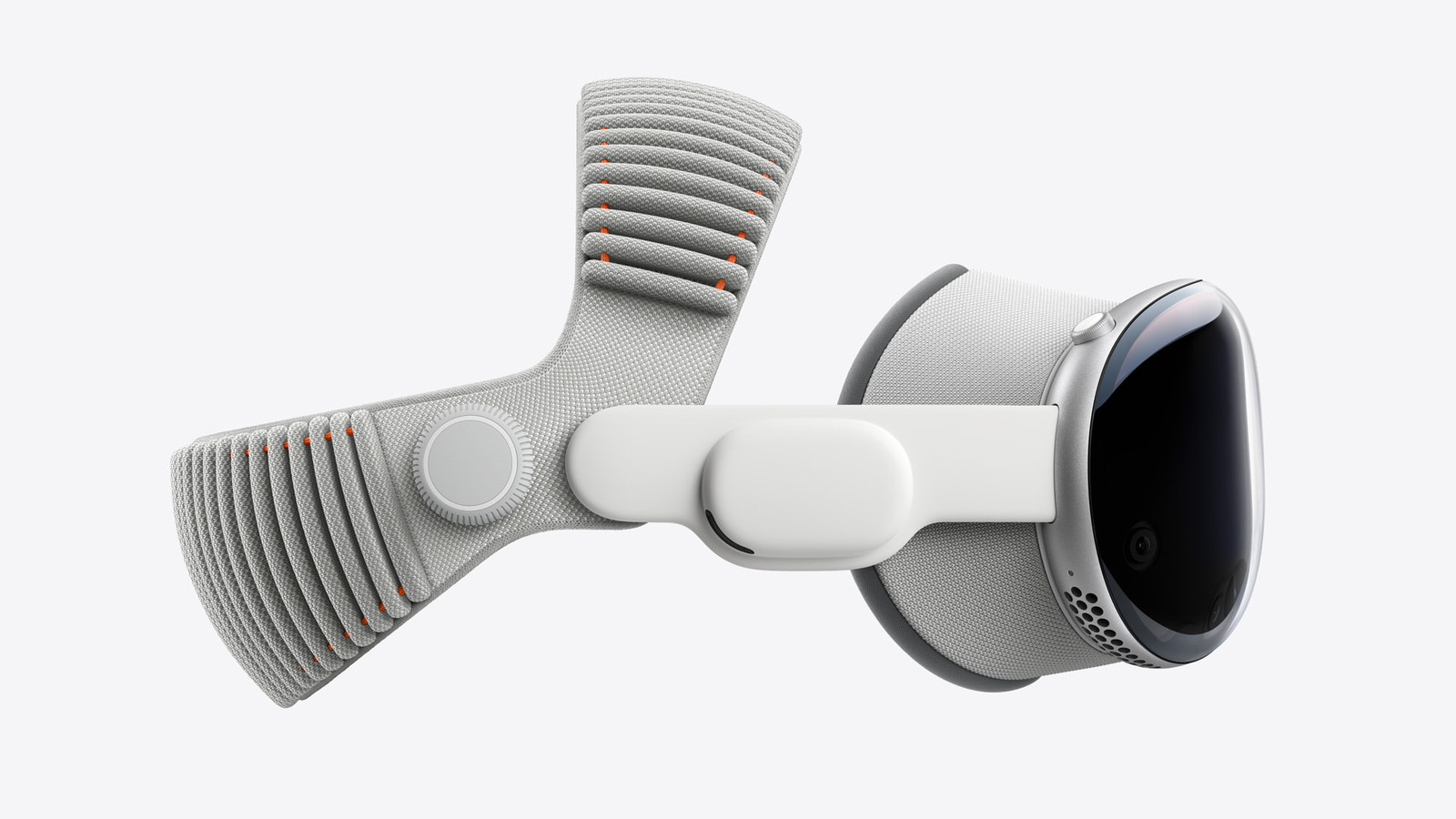
OpenAI just unveiled Jalapeño, its first AI chip developed with Broadcom. The company is also reportedly building robots and AI-powered devices with Jony Ive's design firm. Now it's poached Paul Meade, the Apple executive who led Vision Pro development, to run a new hardware division. For a company that made its name on large language models, OpenAI is spending an awful lot of energy on physical products.
They're not alone. The trend extends beyond the obvious players. Faraday Future, a company that has sold a grand total of 15 electric vehicles, announced it's pivoting to robots — including a $89,900 humanoid and various industrial arms. The audacity is almost admirable.
This hardware gold rush reflects a genuine shift in how AI companies think about their future. Language models are becoming commoditized. The real value, the thinking goes, lies in controlling the full stack from silicon to software to the physical form factor that delivers AI capabilities to end users. It's vertical integration for the AI age.
But here's the problem: hardware is hard. Really hard. It requires entirely different skill sets, supply chains, manufacturing partnerships, and go-to-market strategies than software. You can't just iterate and deploy fixes overnight. A chip doesn't improve with a simple software update. A robot can't be recalled and patched as easily as an app.
Apple spent decades building the institutional knowledge, supplier relationships, and quality control processes that allow it to ship millions of complex devices. Even they stumbled badly with Vision Pro's market reception despite Meade's leadership. Tesla took years longer than promised to reach volume production on every vehicle it's launched. Hardware timelines are measured in years, not months.
The rush into chips makes particular sense — controlling your own silicon provides real advantages in performance, cost, and capabilities tailored to your workloads. But the leap from AI models to consumer robotics or novel device categories is enormous. Success requires not just great engineering, but understanding manufacturing economics, retail channels, after-sales support, and regulatory compliance across multiple jurisdictions.
OpenAI hiring Meade signals they understand this challenge. You don't recruit Apple's headset VP unless you're serious about actually shipping hardware at scale. But one experienced executive can't instantly transfer decades of institutional knowledge.
The winners in this hardware race won't be determined by who announces products first or raises the most capital. They'll be the companies that can actually manufacture, distribute, and support physical products at scale while maintaining the quality and reliability that consumers expect. That's a test that even well-funded startups with brilliant AI models often fail.
Software companies entering hardware need to ask themselves: are we building this because it's strategically necessary, or because everyone else is doing it? The graveyard of failed hardware ventures from software giants suggests the answer matters more than many executives want to admit.