

Solar Panels Are Installing Themselves Now
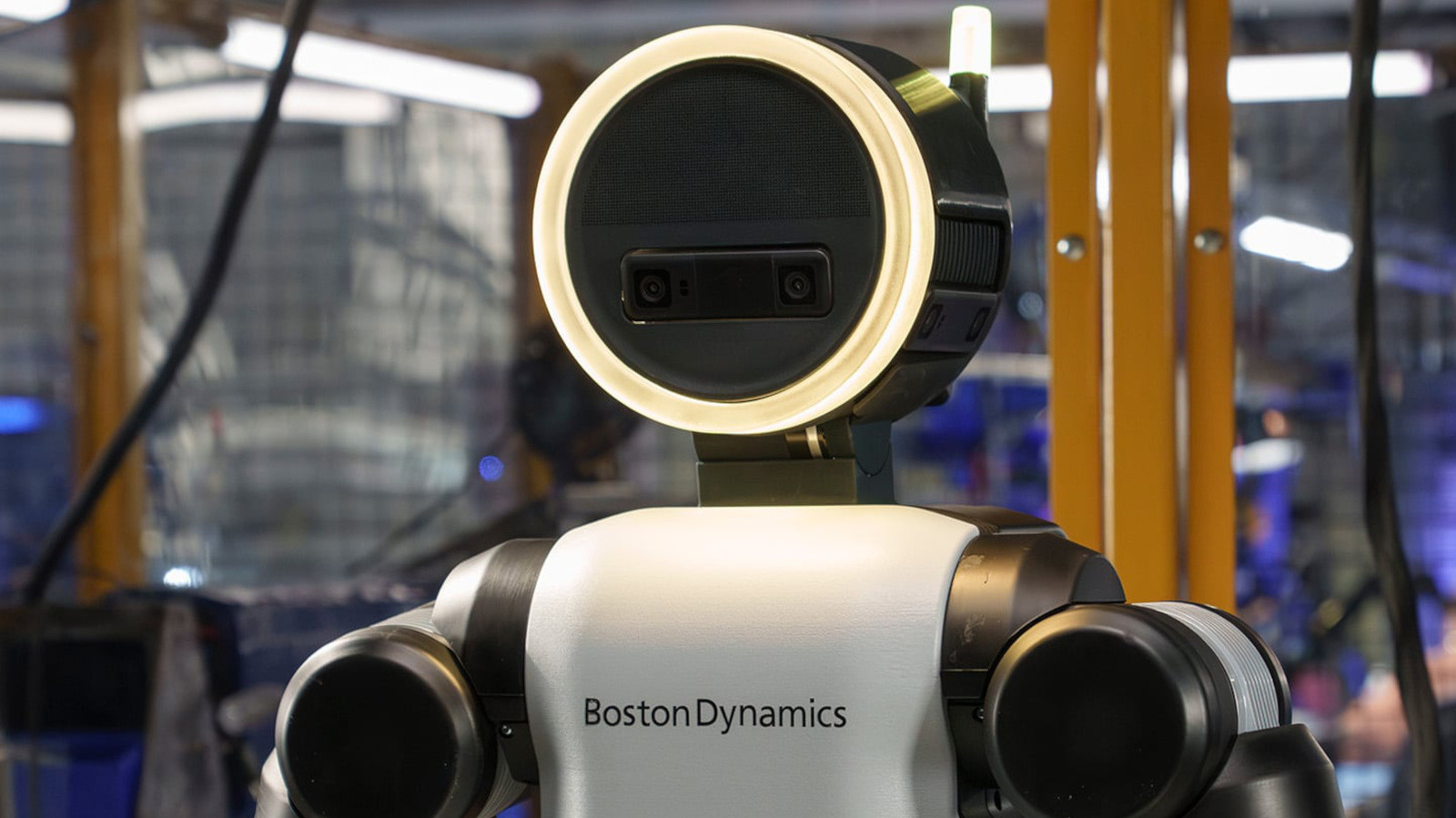
While everyone's been watching humanoid robots fold laundry and construction bots lay bricks, something unexpected happened: solar panel installation became one of the hottest applications in robotics.
This week alone, three companies announced robotic systems specifically designed to automate solar farm construction. Maximo, incubated within energy giant AES Corp, showcased AI-enabled robots with computer vision for utility-scale installations. Xpanner Global rolled out its X1 Panel Lift system that integrates lidar, vision sensors, and GNSS to position panels with excavator-mounted hardware. And each is attacking the same fundamental problem from different angles—the solar industry is growing faster than the available workforce can handle.
The timing isn't coincidental. Utility-scale solar projects are exploding globally, driven by climate commitments and falling panel costs. But installing those panels remains stubbornly manual, requiring crews to lift, position, and secure thousands of units across acres of terrain in all weather conditions. It's physically demanding work with high injury rates and chronic labor shortages. Unlike factory floors or warehouses where automation has thrived, solar farms present constantly changing outdoor environments that traditional industrial robots can't handle.
What's changed is the sensor technology. Modern solar installation robots combine lidar mapping, computer vision, and GPS positioning to navigate unstructured construction sites—capabilities that simply didn't exist at commercial scale five years ago. Maximo's computer vision can identify mounting structures and adapt to variations in terrain. Xpanner's system creates real-time 3D maps of jobsites, allowing excavators to work with millimeter precision. These aren't simple pick-and-place machines; they're mobile platforms making constant decisions about an environment that changes daily.
The business case is straightforward. Labor accounts for a significant portion of solar installation costs, and project timelines directly impact return on investment. A robot that can work longer hours, maintain consistent quality, and operate in conditions that would send human crews home makes immediate financial sense. For companies like AES that both develop and operate solar farms, the incentive to automate is even stronger—they're investing in technology that improves their own bottom line.
What's particularly notable is how quickly this segment has attracted serious capital and corporate backing. These aren't research projects or prototypes. Maximo has AES's resources behind it. Xpanner is shipping commercial systems. The focus is on deployment, not development.
We're witnessing the industrialization of renewable energy construction, and robots are leading it. Solar installation lacks the complexity of home care or the political sensitivity of defense manufacturing, making it an ideal proving ground for autonomous outdoor systems. Success here could accelerate adoption in adjacent markets—wind farm construction, electrical grid maintenance, agricultural infrastructure.
The solar robotics boom also reveals something important about where automation actually gains traction: not in consumer gadgets or viral demos, but in solving urgent, expensive problems in industries desperate for solutions. Solar companies need these robots now, they're willing to pay for them, and the technology has finally caught up to the need. That's a formula that works.
Brick-laying robots and humanoid helpers get the headlines, but solar installation robots might end up shipping in far greater numbers—and actually turning a profit while doing it.