

Tech Giants Are Rationing AI Like It's a Scarce Resource — Because It Is
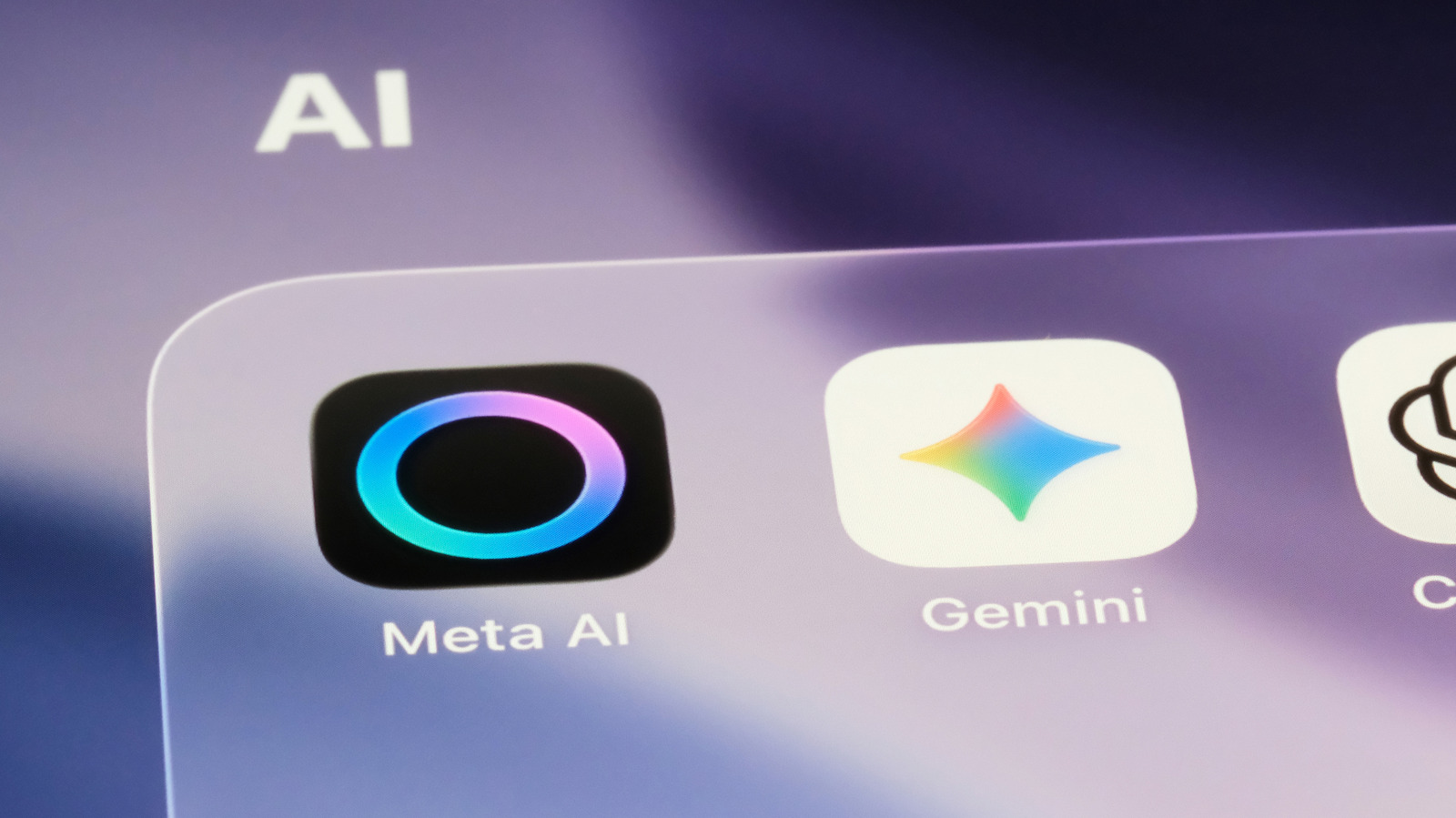
When Google reportedly restricted Meta's use of its Gemini AI model after the social media giant exceeded computing capacity limits, it wasn't just a contract dispute between tech titans. It was a rare public admission of something the industry has been quietly grappling with: we're in the middle of an AI infrastructure crisis.
The story, which might seem like routine corporate drama, actually exposes a fundamental constraint that could reshape the entire AI landscape. Meta, one of the world's largest technology companies with seemingly unlimited resources, hit a computational wall hard enough that Google had to step in and turn down the tap. If Meta can't get enough processing power, what does that mean for everyone else?
This isn't an isolated incident. It's part of a broader pattern where the demand for AI compute has outpaced supply so dramatically that even the biggest players are scrambling. Meta's response—rapidly expanding its data center investments—is being mirrored across the industry. But building data centers takes years, and AI development isn't waiting.
The compute crunch has real consequences beyond Big Tech boardrooms. It's already creating a two-tier system where companies with existing cloud infrastructure—Google, Amazon, Microsoft—hold disproportionate power over who gets to train and deploy advanced AI models. Meta's lack of a cloud business, once seen as a strategic oversight, is now a critical vulnerability.
What makes this particularly striking is the timing. We're simultaneously seeing OpenAI launch limited previews of GPT-5.6 to "trusted partners" and government-approved customers, while Anthropic needs federal permission to redeploy its cybersecurity model. These aren't just safety measures—they're also practical responses to infrastructure limitations. If you can't serve everyone, you serve those deemed most critical first.
The rationing extends beyond just model access. HP's new partnership with OpenAI talks about "scaling AI deployment," but scaling requires compute. Apple executives are jumping ship to lead OpenAI's hardware division because everyone recognizes that software capabilities mean nothing without the infrastructure to run them.
This creates a fascinating paradox: the AI boom is simultaneously accelerating and hitting the brakes. Companies are raising hundreds of millions (like General Intuition's $320 million round) to develop more sophisticated AI systems, while the infrastructure to actually run these systems at scale remains constrained. It's like planning to build skyscrapers while running short on steel.
The implications ripple through the entire robotics and AI ecosystem. If cloud providers are rationing access to frontier models, then local AI solutions like Hugging Face's all-local conversational AI for the Reachy Mini desktop robot start looking less like hobbyist projects and more like strategic necessities. When you can't rely on cloud compute, bringing intelligence to the edge isn't just convenient—it's essential.
The uncomfortable truth is that the AI industry sold a vision of unlimited intelligent systems before ensuring it had the infrastructure to deliver. Now, as companies race to build more data centers and develop more efficient chips, we're learning that artificial intelligence isn't constrained by imagination or algorithms—it's constrained by watts, silicon, and cooling systems.
Google capping Meta's Gemini usage wasn't a bug in the system. It was the system working exactly as it must when resources are finite and demand is effectively infinite. The question isn't whether AI will transform industries—it's whether we can build the infrastructure fast enough to support the transformation we've already promised.