
The Model Retirement Dilemma: Why AI Companies Are Killing Products Users Still Need
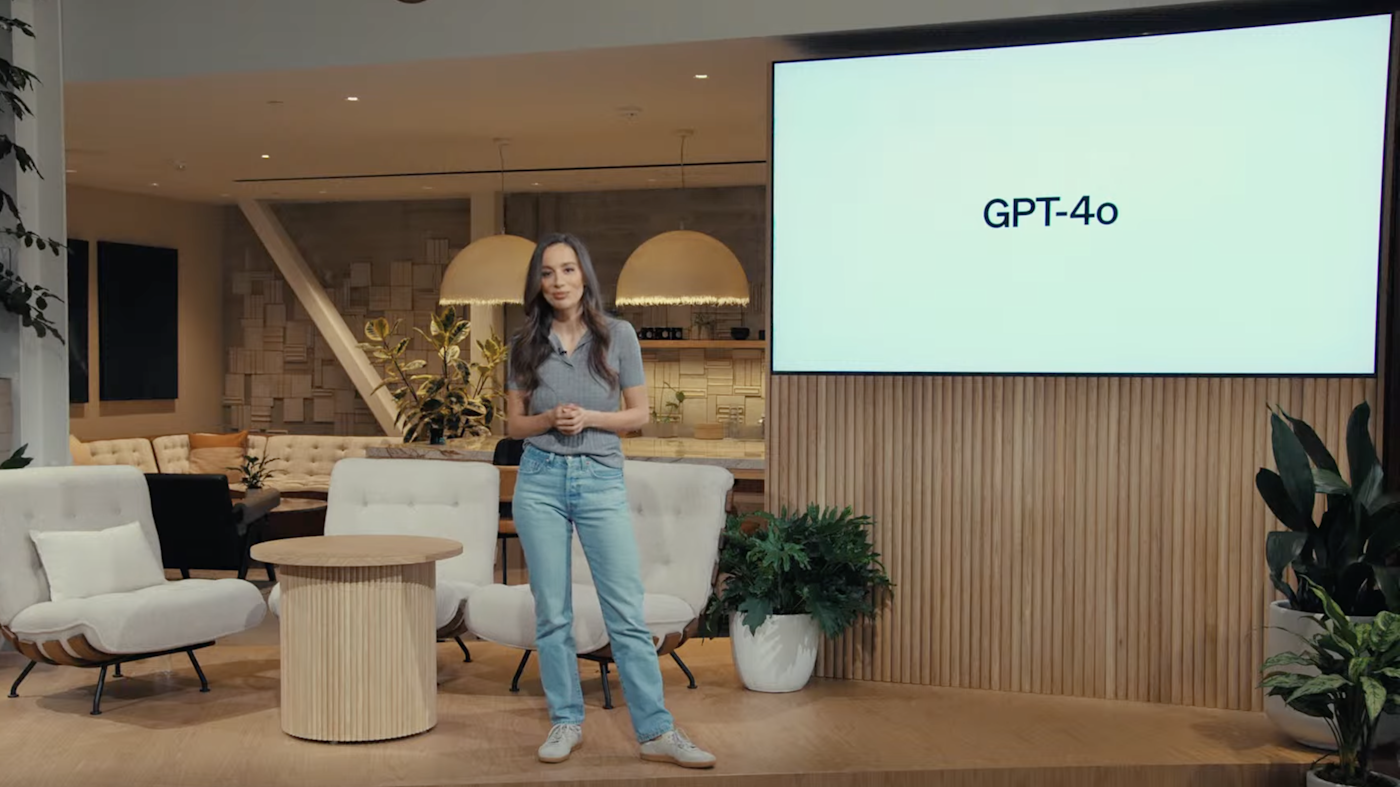
When OpenAI announced the retirement of GPT-4o on February 13th, the company cited a familiar justification: low usage at just 0.1% of daily users. But buried in that statistic is a troubling reality that the AI industry has yet to confront—sometimes 0.1% represents thousands of users who have built their workflows, businesses, or accessibility solutions around a specific model's capabilities.
The GPT-4o retirement, which sparked user complaints despite OpenAI's assurances about GPT-5.2's superiority, isn't an isolated incident. It's part of a broader pattern where AI companies treat their models as disposable products rather than critical infrastructure. Apple's delayed Siri relaunch, hampered by performance issues, suggests even tech giants struggle with the stability users expect from AI systems they've integrated into daily life. Meanwhile, Patrick Darling's use of ElevenLabs voice cloning to sing again with ALS demonstrates how deeply personal these technological dependencies can become.
The problem runs deeper than inconvenience. When AI models become embedded in business operations, research pipelines, or assistive technologies, their sudden retirement creates a cascade of disruptions. Unlike traditional software where users can often continue running older versions indefinitely, cloud-based AI models disappear entirely when companies flip the switch. There's no local installation to fall back on, no archive to access, no gradual sunset period that allows for proper migration.
What makes this particularly concerning is the velocity of change in the AI sector. OpenAI alone has introduced and retired multiple model versions in rapid succession—GPT-4o, GPT-5, GPT-4.1, and o4-mini all met their end simultaneously. Each deprecation forces users to re-evaluate their implementations, retrain their prompts, and hope that the replacement model handles their specific use case with equal proficiency. For developers building on these platforms, it's like constructing a building on ground that shifts every few months.
The contrast with open-source alternatives becomes starker in this context. Chinese companies like DeepSeek are releasing open-weight models that users can download and run independently, insulating themselves from unilateral corporate decisions. This isn't just about cost savings—it's about control and continuity. When you can host a model yourself, you're not subject to someone else's product roadmap.
The AI industry needs to develop more mature deprecation practices. Technology companies have long understood the concept of Long Term Support (LTS) versions, extended support contracts, and clearly communicated end-of-life timelines. These aren't just niceties—they're recognition that when your product becomes infrastructure, you bear some responsibility for the ecosystems built upon it.
As AI capabilities advance and companies like Anthropic upgrade their free tiers while OpenAI considers ad-supported models, competition will intensify. But competing solely on features while treating users as infinitely adaptable is a recipe for eroding trust. The company that figures out how to balance innovation velocity with deployment stability—that offers clear migration paths, extended support options, or even open-source alternatives for deprecated models—may find they've discovered a genuine competitive advantage.
The 0.1% of users who complained about GPT-4o's retirement weren't luddites resisting progress. They were early adopters who took these companies at their word that AI was ready for production use. The industry owes them—and the many more who will follow—better than sudden obsolescence.