

The Robotaxi Lobby Just Got Real
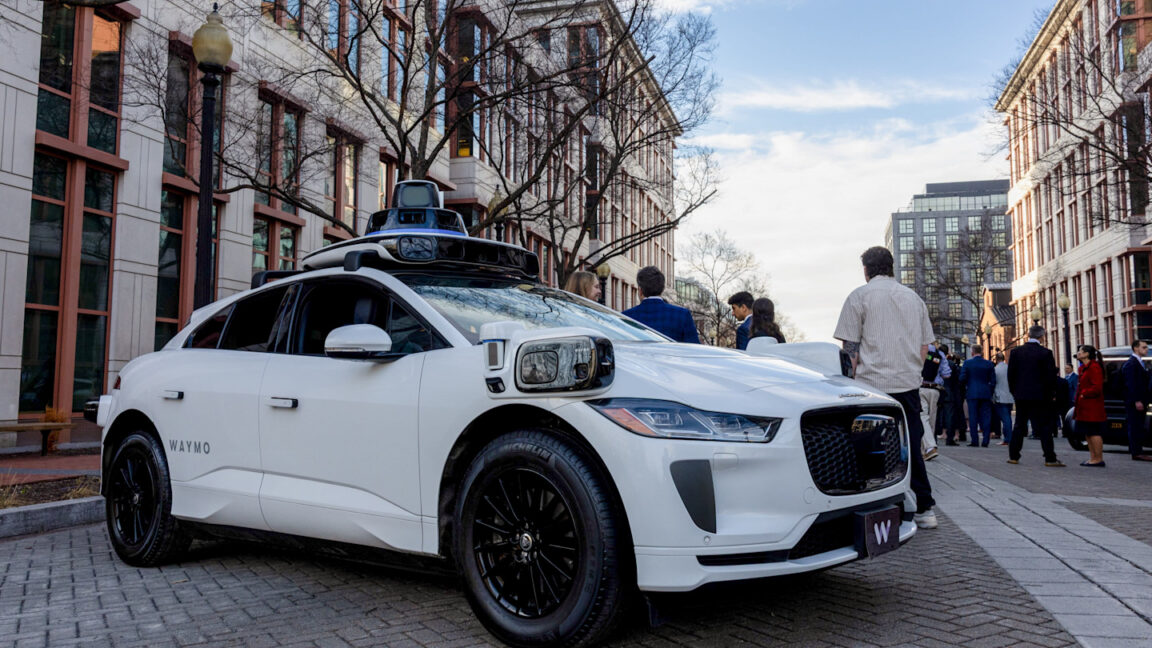
Waymo just doubled its lobbying spending in Washington, and if you're paying attention to the autonomous vehicle industry, you should be concerned about what that signals.
The headline from this week—Waymo ramping up its efforts to influence US regulators in its battle with Uber—might seem like standard corporate behavior. Tech companies lobby. That's what they do. But the timing and scale of this investment tells a more troubling story about where the robotaxi industry actually stands.
For years, the narrative around autonomous vehicles has been relentlessly technical. We've measured progress in disengagements per mile, sensor fusion capabilities, and edge case handling. The assumption has been that once the technology works well enough, deployment would follow naturally. Build it right, and they will come.
That assumption is collapsing. Waymo's lobbying surge suggests the company has concluded that technical superiority alone won't win the market. The battleground has shifted from proving the technology works to convincing regulators to clear the path for deployment at scale. This is a fundamentally different challenge, and it requires fundamentally different resources.
Consider what's actually being fought over here. Waymo wants regulatory frameworks that favor fully autonomous operations without human safety drivers. Uber, meanwhile, has pivoted from its own autonomous development to partnering with multiple AV companies, positioning itself as the platform layer. The regulatory decisions being lobbied for today will determine which business model wins—and potentially lock in advantages for decades.
This isn't necessarily corruption or regulatory capture in the traditional sense. Waymo is advocating for rules it believes will enable safer, more efficient transportation. But the injection of this much lobbying capital into the autonomous vehicle space creates an uncomfortable dynamic. When technical readiness becomes secondary to political influence, we risk regulations that serve corporate interests rather than public safety or optimal urban planning.
The Meta story from this week—where AI agents reportedly made "large-scale, disruptive actions" in an internal plan to make the company "AI native"—offers a relevant parallel. Both cases reveal companies betting heavily that the future belongs to those who can shape the rules, not just build better technology. Meta wants to redefine what counts as a worker. Waymo wants to redefine what counts as a safe vehicle.
What makes the Waymo situation particularly significant is the stakes involved. Autonomous vehicles aren't just another tech product. They occupy public streets, interact with vulnerable road users, and fundamentally reshape urban infrastructure. The regulatory frameworks being lobbied for today will determine whether cities are redesigned around human needs or corporate fleet economics.
The robotaxi wars were always going to end up in Washington eventually. Technology alone has never determined how transformative innovations get deployed in society—just ask the nuclear power industry. But Waymo's lobbying doubling serves as a clear marker: we've entered a new phase where political capital matters as much as technical capability.
For an industry that has long sold itself on engineering excellence and safety data, that's a pivot worth watching closely. Because once the lobbyists take the lead, the technology often becomes whatever the regulations will allow, rather than what the engineering actually supports.