
Voice AI Just Became Actually Conversational
Something fundamental changed in voice AI this week, and most people missed it.
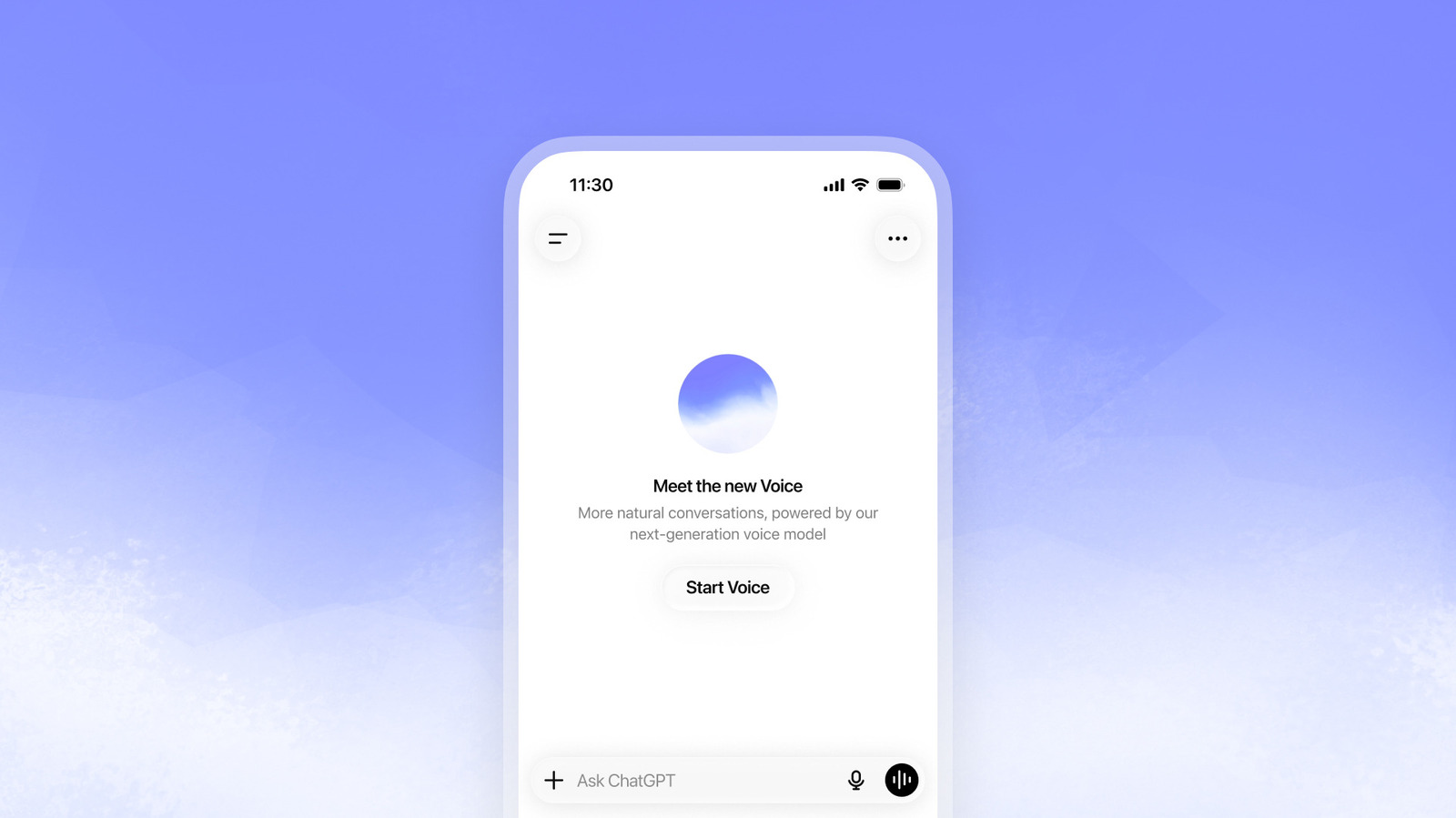
OpenAI quietly released GPT-Live, a new generation of voice models that replaces the old turn-based conversation system with duplex architecture. Translation: you can now interrupt ChatGPT mid-sentence, ask it to slow down, and have it acknowledge your interjections without awkward pauses or conversational restarts. This sounds like a minor technical detail. It's not.
For years, voice assistants have operated on a fundamentally broken model. You speak. The AI processes. It responds. Repeat. This ping-pong pattern might work for setting kitchen timers, but it's antithetical to how humans actually communicate. Real conversations involve interruptions, clarifications, overlapping speech, and dynamic pacing. Until now, AI voice systems couldn't handle any of that gracefully.
The shift to duplex processing — where the AI can simultaneously listen and speak — represents the difference between a walkie-talkie and a phone call. ChatGPT's new voice mode can now process your input while it's still talking, meaning interruptions feel natural rather than disruptive. Ask it to slow down mid-explanation, and it does so immediately, without restarting from the beginning. This is the kind of fluid interaction that's been promised for decades but never delivered.
What makes this development particularly significant is its timing. Just as OpenAI ships genuinely conversational voice AI, Amazon is reportedly scrambling to build a more powerful version of Alexa (codenamed 'Moonraker') with enhanced agentic capabilities. The contrast is telling. While Amazon focuses on multi-step task execution — booking rides, sending messages — OpenAI appears to be solving the more fundamental problem: making AI that people actually want to talk to.
The voice assistant market has been stuck in a rut since roughly 2017. Alexa, Google Assistant, and Siri all hit a plateau where they could handle basic commands but couldn't sustain meaningful interaction. Users adapted by limiting themselves to simple requests, creating a vicious cycle where developers optimized for transactional exchanges rather than conversational depth.
GPT-Live breaks that cycle by making extended dialogue feel effortless. The ability to adjust speaking speed on the fly might seem trivial, but it addresses a core usability issue: different contexts require different pacing. Following complex instructions? Slow it down. Quick weather check? Speed it up. The AI adapts to you, not the other way around.
This shift also has profound implications for accessibility. Natural interruptions and speed control make voice AI far more usable for people with processing differences, hearing impairments, or non-native language speakers. When technology feels more human, it becomes more inclusive by default.
The real question is whether competitors can catch up quickly. Amazon's Moonraker project suggests they're still thinking about voice assistants as task executors rather than conversational partners. Google's recent Video Remix feature shows similar priorities — adding capabilities rather than refining core interactions. Meanwhile, OpenAI has effectively redefined what "voice AI" means.
We're likely entering a period where voice becomes the primary interface for AI interaction, not because it's trendy, but because it's finally good enough to prefer over typing. The technology has caught up to the promise. Now we'll see whether the market notices.