

When Did Robotics Companies Start Solving Wildfire Detection and Freeway Access?
Something subtle but significant is happening in robotics right now, and it has nothing to do with humanoids or ChatGPT integrations. Look closely at this week's news and you'll notice robots showing up in places they traditionally haven't: wildfire detection systems, agricultural fields, defense depot maintenance, and even construction zone navigation.
AURA Foresight's selection as a finalist in the XPRIZE Wildfire competition isn't just another startup achievement—it represents a fundamental shift in how we're deploying autonomous systems. Wildfire detection and response has historically been the domain of forestry services, emergency management agencies, and government-funded initiatives. Now we have private robotics companies competing for prizes to build autonomous systems that can detect and respond to one of our most pressing environmental threats.
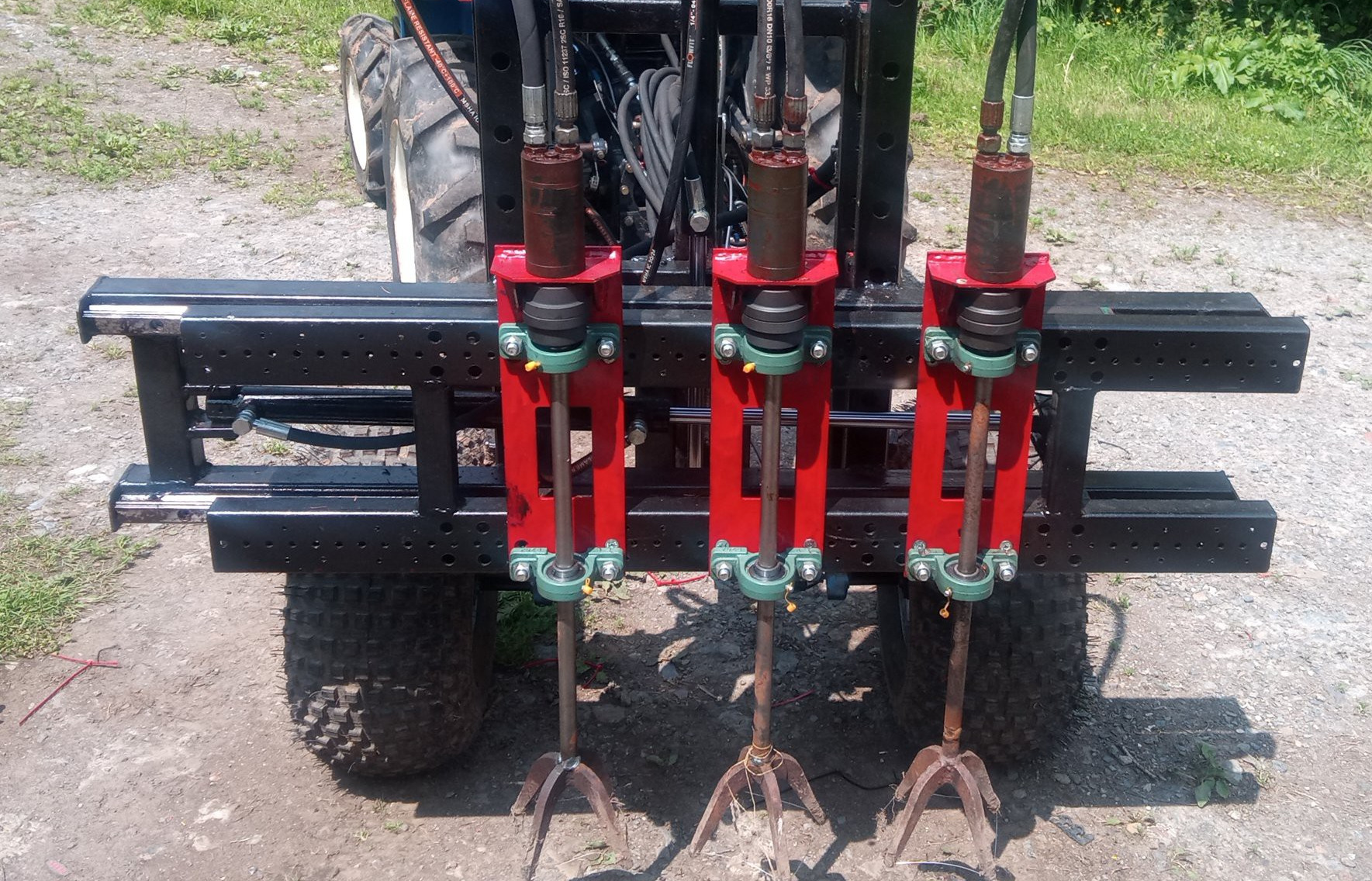
Meanwhile, the WEEDINATOR project demonstrates how agricultural robotics is moving beyond large commercial operations into territory that affects smaller farms and sustainable agriculture practices. And GrayMatter Robotics is positioning autonomous surface finishing as a solution to defense manufacturing readiness—another domain where private automation is filling gaps in what was once exclusively government-managed infrastructure.
Even Waymo's latest recall tells this story from a different angle. When a robotaxi company has to recall vehicles because they might drive onto closed freeway construction zones, we're seeing autonomous systems attempting to navigate infrastructure management decisions—determining which roads are accessible, which are under maintenance, which are safe for public use. These are traditionally public-sector responsibilities now being handled by private algorithms.
This isn't necessarily a bad thing. Government agencies are stretched thin, budgets are constrained, and workforce shortages are real—GrayMatter's point about the 174,000-worker deficit in defense manufacturing isn't hyperbole. If robotics companies can fill genuine capability gaps in wildfire response, agricultural sustainability, or infrastructure maintenance, that could be valuable.
But it does raise uncomfortable questions about accountability and priorities. When private companies build the systems that decide how to respond to wildfires or which roads are safe to drive on, who owns the liability when those systems fail? What happens when profit motives intersect with public safety infrastructure? And perhaps most importantly: are we automating these domains because they genuinely need robotics solutions, or because they represent untapped markets for an industry looking to expand beyond saturated warehouse and factory applications?
The robotics industry has spent the past decade proving it can optimize logistics, manufacturing, and last-mile delivery. Now it's testing whether it can extend that same optimization mindset to wildfire response, agricultural sustainability, and defense readiness. Whether that's innovation or overreach depends largely on how we structure the accountability frameworks around these deployments.
What's clear is that robotics is no longer just about making existing industrial processes more efficient. It's increasingly about taking on responsibilities that were previously considered public goods or government functions. That's a bigger shift than any new humanoid demo or AI integration—and it deserves more scrutiny than it's currently getting.