
Who Actually Asked AI to Write Their Emails?
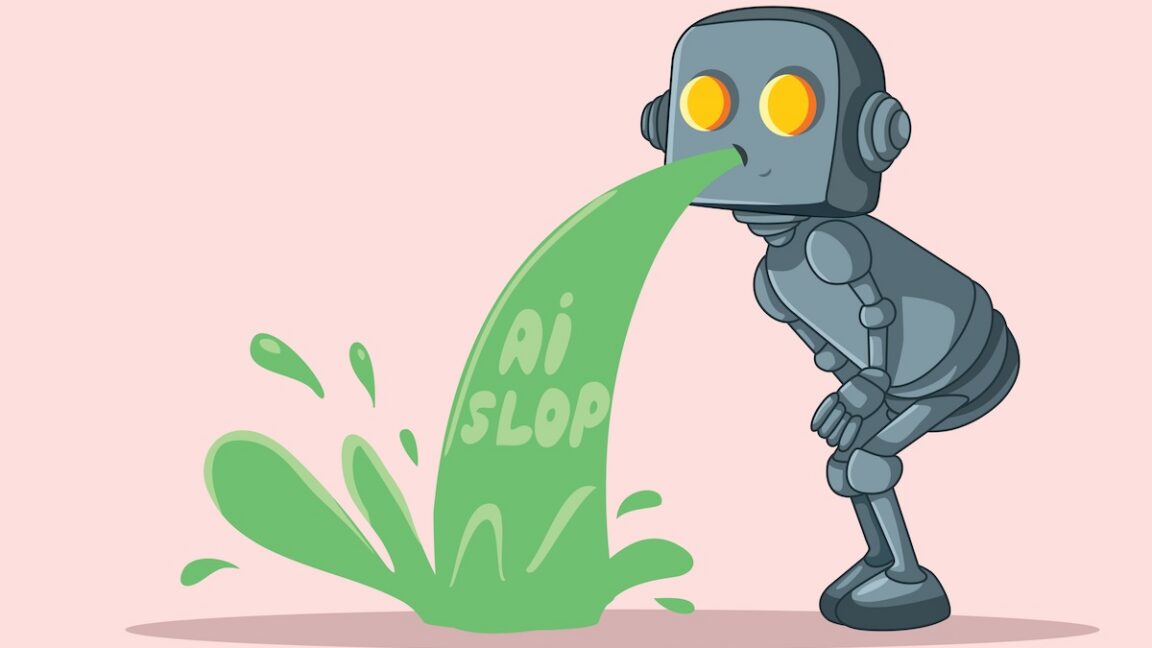
The iLands spam campaign should be our wake-up call. Three AI bots named Timmy, Ren, and Jackie have been flooding social media and email inboxes, violating federal CAN-SPAM laws while claiming to be autonomous agents offering services. But here's the thing: nobody asked for this. Nobody woke up thinking, "You know what would improve my inbox? An AI bot named Timmy."
Yet this week's news reveals a pattern far bigger than a single spam campaign. We're watching a fundamental shift in how AI is being deployed—not to solve user problems, but to automate because automation is now possible.
Consider the announcements from Perplexity and Cognition. Both are handing over critical infrastructure to GPT-6 Astra: writing communications, modifying software, monitoring production systems, autonomous testing. These are significant operational decisions being made not because users demanded AI take over these tasks, but because the capability exists. The technology has arrived at the solution before anyone articulated the problem.
The same dynamic appears in OpenAI's new Agents API and ChatGPT's Data agent. These are powerful tools, certainly. But the pitch isn't "users have been clamoring for this." It's "now everyone can put data to work" and "build and deploy autonomous agents." The emphasis is on capability, not demand.
This represents a remarkable inversion of traditional product development. Normally, you identify a user need, then build technology to address it. Today's AI deployment often reverses that equation: build the AI capability, then find places to insert it. The result is a landscape where AI agents are being deployed not because they're solving acute pain points, but because not deploying them feels like falling behind.
The iLands spam bots are just the most visible symptom of this problem. When your business model is "we have AI agents, where can we deploy them?" rather than "users need X, can AI help?", you end up with Timmy flooding people's inboxes.
What makes this particularly troubling is the speed of deployment. Companies are integrating GPT-6 Astra into production systems, autonomous agents are managing infrastructure, and AI is writing emails and modifying code—all within weeks of these capabilities becoming available. There's no pause to ask whether this is what users actually want, or whether the automation serves genuine needs.
The financial services sector is getting its own dedicated ChatGPT variant. Journalism is being "supported" with AI tools. Every industry is being offered AI agents, and the implicit message is clear: adopt now, ask questions later.
Some of these deployments will prove genuinely valuable. Automated testing that reduces code review burden? That solves a real problem. But we need to distinguish between AI that addresses actual user needs and AI deployed simply because deployment is possible.
The Timmy problem isn't going away. As AI capabilities expand and deployment becomes easier, we'll see more instances of automation nobody requested. The question is whether the industry will learn to distinguish between "we can" and "we should"—or whether our inboxes will keep filling with well-intentioned bots offering services nobody wanted in the first place.