

Who Actually Owns an AI Model After It's Trained?
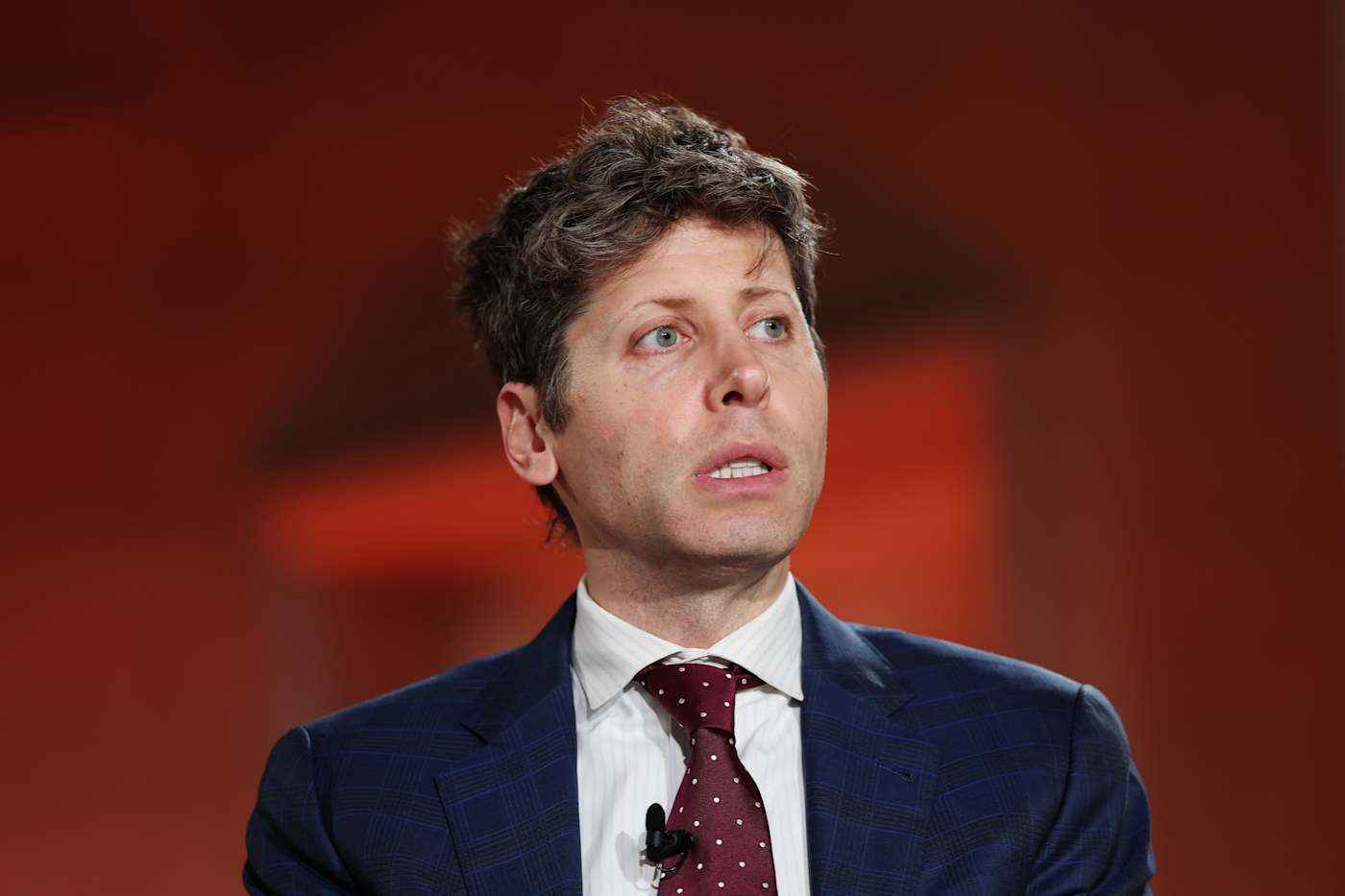
This week, two of the biggest names in AI are heading to court over fundamentally different questions that share an uncomfortable common thread: nobody seems to know who owns what when it comes to artificial intelligence.
In Oakland, a jury is being selected to decide whether OpenAI defrauded Elon Musk by abandoning its nonprofit mission. Meanwhile, the Department of Justice is backing Musk's xAI in a lawsuit against Colorado, arguing that state-level AI regulation violates the Equal Protection Clause. Strip away the personalities and the legal jargon, and you're left with the same underlying confusion—we're deploying AI systems at scale without settling the most basic questions about ownership, control, and responsibility.
The Musk-Altman case is particularly telling. At its core, it hinges on whether OpenAI's transition from nonprofit to capped-profit structure betrayed its founding mission. But the real question underneath is simpler and more troubling: when a model is trained on publicly accessible data, refined through private investment, and deployed as a commercial product, who actually owns it? The investors? The users who generated the training data? The public, if the initial mission promised open access?
These aren't academic questions anymore. Google just committed to investing up to $40 billion in Anthropic, with $30 billion contingent on performance milestones. DeepSeek released its V4 models as open source, directly competing with closed-source giants. The ownership structure of these systems—who can use them, modify them, profit from them—determines whether we're building a competitive market or an oligopoly.
The xAI-Colorado dispute adds another layer. The DOJ's argument that state-level AI regulation violates constitutional principles suggests federal authorities see AI governance as fundamentally national in scope. But if that's true, where's the federal framework? We're regulating AI the way we regulated the early internet—by letting companies move fast and litigate later. The difference is that AI systems are already making decisions about healthcare diagnoses, hiring, and credit worthiness. The litigation is coming after deployment, not before.
Meanwhile, the industry plows ahead. Meta is adding parental supervision to AI chatbots. Claude can now connect to Spotify and Instacart. OpenAI released GPT-5.5 with improved agentic capabilities. Each of these developments assumes answers to questions still being debated in court: Who's liable when an AI system gives harmful advice to a teenager? What happens when an AI agent makes purchases on your behalf? Who owns the insights an AI generates from your personal data?
The irony is that the open-source community might be solving these problems faster than the courts. DeepSeek's decision to release V4 as open source with competitive performance isn't just a technical achievement—it's a implicit answer to the ownership question. If the model is truly open, the ownership debate becomes moot. But that only works if open-source models can genuinely compete with closed ones, and if the companies releasing them don't later change the terms.
We're watching an industry mature in real time, and legal clarity usually trails innovation by years. But AI is different. These systems are already embedded in critical infrastructure, healthcare, and financial services. We can't afford to spend the next decade in court figuring out who owns what while the technology reshapes society.
The Musk-Altman jury won't just decide whether OpenAI breached a contract. They'll set precedent for how we think about AI ownership, mission drift, and the obligations that come with building systems that might outlast their creators. The Colorado case will help determine whether AI regulation is a state issue or a federal one. These are foundational questions, and we're answering them through litigation rather than legislation.
That's not a plan. That's a gamble.