

Who Needs a Walking Robot When You Can Build One Yourself?
The robotics industry loves to talk about moonshots. Humanoid robots that will revolutionize manufacturing. Autonomous systems that will transform logistics. Multi-billion dollar valuations for companies that haven't shipped a commercial product. But while the headlines chase the next big funding round, something more interesting is happening in garages and workshops around the world.
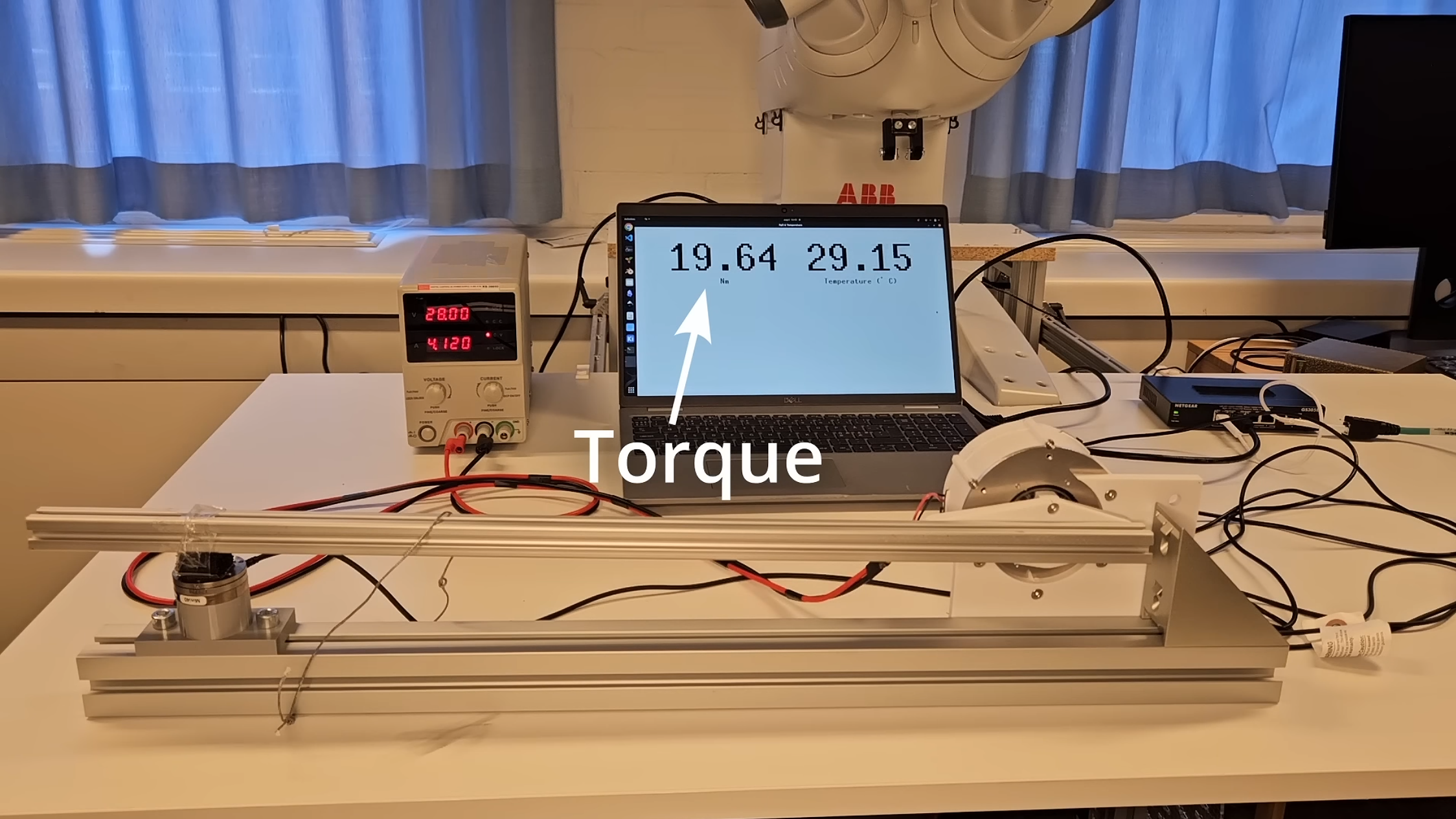
Two recent projects highlight a trend that's easy to miss amid the noise of corporate press releases. One builder recently shared their journey developing a compact actuator capable of delivering 20 Newton-meters of torque for a walking robot, complete with machined aluminum housing and field-oriented control. Another created MegCell Pulse, a dual-robot system that interprets guitar tablature and plays acoustic guitar with mechanical precision. Neither project came from a well-funded lab or a Silicon Valley startup. Both represent the kind of focused, practical problem-solving that moves robotics forward.
This matters because the industry has developed a peculiar blind spot. We've become so fixated on grand visions of general-purpose robots that we've forgotten how much innovation happens at the component level, driven by builders who simply want to make something work. The actuator project didn't start with a business plan or a market analysis. It started with a specific engineering challenge: how do you create enough torque in a small enough package to make a legged robot viable? The solution required iteration, machining skills, and a deep understanding of motor control—exactly the kind of unglamorous work that doesn't generate TechCrunch headlines but actually advances the field.
The guitar-playing robot project is even more revealing. It's being crowdfunded at $100, a price point that would make most robotics startups laugh. But that accessibility is the point. When you can build a functional dual-robot system for the cost of a nice dinner, you've democratized a technology that was recently the exclusive domain of research labs. The builder isn't trying to disrupt the music industry or replace human musicians. They're exploring what's possible when you combine mechanical design, software engineering, and a ridiculous amount of patience.
This DIY ethos stands in stark contrast to the current corporate approach. While Nvidia discloses a $21 billion stake in SpaceX and companies battle over frontier AI models, individual builders are shipping actual working systems. They're not waiting for the perfect sensor suite or the ideal regulatory environment. They're solving specific problems with available tools and sharing their solutions with anyone who wants to learn.
The irony is that many of today's robotics giants started exactly this way. Boston Dynamics began as an MIT spinoff focused on specific locomotion challenges. iRobot's founders built actual robots before they built a business plan. But somewhere along the way, the industry convinced itself that meaningful progress requires institutional backing and eight-figure budgets.
The DIY robotics community is proving otherwise. Every custom actuator design that gets shared online, every hobby project that solves a real control problem, every Kickstarter that delivers working hardware—these contribute to a distributed R&D engine that doesn't show up in patent counts or investment reports but steadily expands what's possible.
Maybe the future of robotics isn't a carefully orchestrated deployment of humanoid workers. Maybe it's thousands of builders, each tackling specific challenges, sharing solutions, and collectively advancing the state of the art one working prototype at a time. That's not the story that raises venture capital, but it might be the one that actually gets us to a world where robots are genuinely useful rather than just impressively funded.