
Your Robotaxi Is Being Driven by Someone in a Cubicle
The future of transportation was supposed to involve sitting back while your car handled everything. No steering wheel. No pedal panic. Just pure, algorithmic serenity.
Except that's not quite how it's working out.
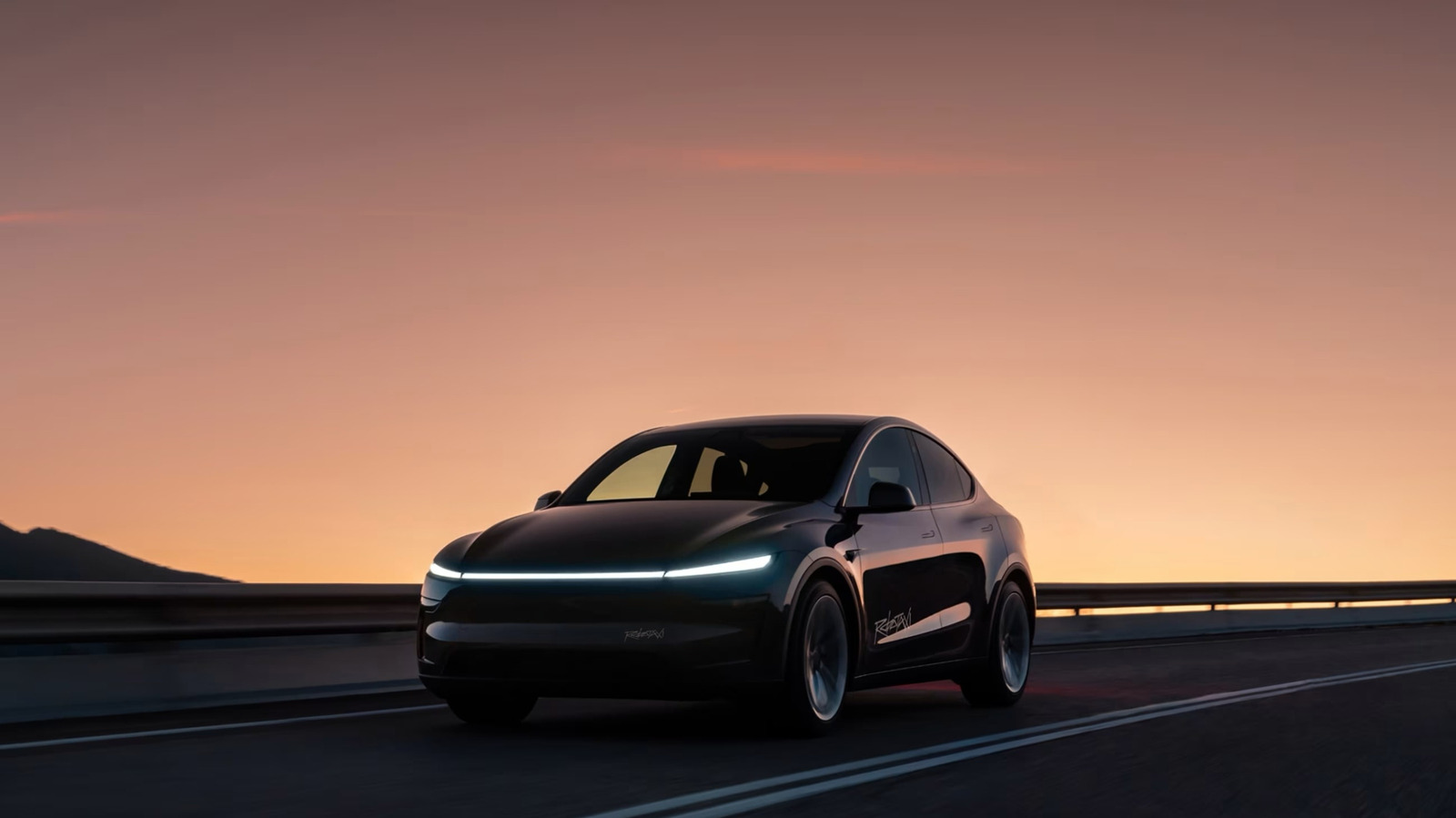
Newly unredacted NHTSA data reveals that Tesla's robotaxis have been involved in multiple crashes while being controlled by remote human teleoperators. In at least two incidents since July 2025, these remote drivers steered vehicles directly into obstacles—a fence in one case, a construction barricade in another. These weren't edge cases where the AI handed off control at the last second. These were situations where humans were already driving, remotely, and still managed to crash.
This is a fascinating and troubling development that cuts to the heart of what we mean by 'autonomous.' The industry has quietly normalized remote teleoperation as a safety net for self-driving systems. When the AI encounters something confusing—construction zones, unusual traffic patterns, ambiguous road markings—a human operator somewhere takes control via cameras and internet connection. It's Wizard of Oz technology: the appearance of autonomy with a person behind the curtain.
There's nothing inherently wrong with this approach as a development tool. Remote assistance helps autonomous systems learn from situations they can't handle yet. But when these vehicles are operating as commercial robotaxis, carrying paying passengers who believe they're riding in a self-driving car, the transparency gap becomes a problem.
The crashes themselves reveal another layer of complexity. Remote operation isn't just a safety improvement—it's a different kind of risk. Teleoperators lack the spatial awareness and reaction time of someone physically present in the vehicle. They're working through camera feeds with inherent latency, limited fields of view, and no physical feedback. Driving a car remotely through a screen is fundamentally harder than driving it in person, which explains why trained operators are crashing into stationary objects.
The data also mentions reports of long wait times, suggesting that vehicles are sometimes stuck waiting for human intervention when the AI gives up. Imagine being a passenger in a robotaxi that simply stops and waits for someone in a remote operations center to become available. That's not the seamless autonomous experience being marketed.
This matters beyond Tesla. Remote teleoperation has become standard practice across the autonomous vehicle industry. Waymo uses it. Cruise used it extensively before their operations were suspended. It's a necessary bridge technology, but we need honesty about what it means for the 'autonomous' label.
The real question is whether remote operation is a temporary scaffold that will eventually be removed, or a permanent feature of how autonomous vehicles will actually work. If human remote drivers remain essential for handling edge cases indefinitely, then we're not building autonomous vehicles—we're building remotely piloted ones with AI assistance.
That's still valuable technology. Remote operation could allow one person to manage multiple vehicles, provide mobility to those who can't drive, and reduce the number of cars on the road. But it's a different value proposition than true autonomy, and it comes with different risks, costs, and infrastructure requirements.
The Tesla crash data is a reminder that the gap between demonstration videos and operational reality remains wider than the industry typically admits. When your robotaxi needs a remote driver to navigate a construction zone, and that remote driver crashes anyway, it's time to recalibrate expectations about how close we actually are to vehicles that drive themselves.