
Your Wearable Is About to Become Your Primary Care Doctor
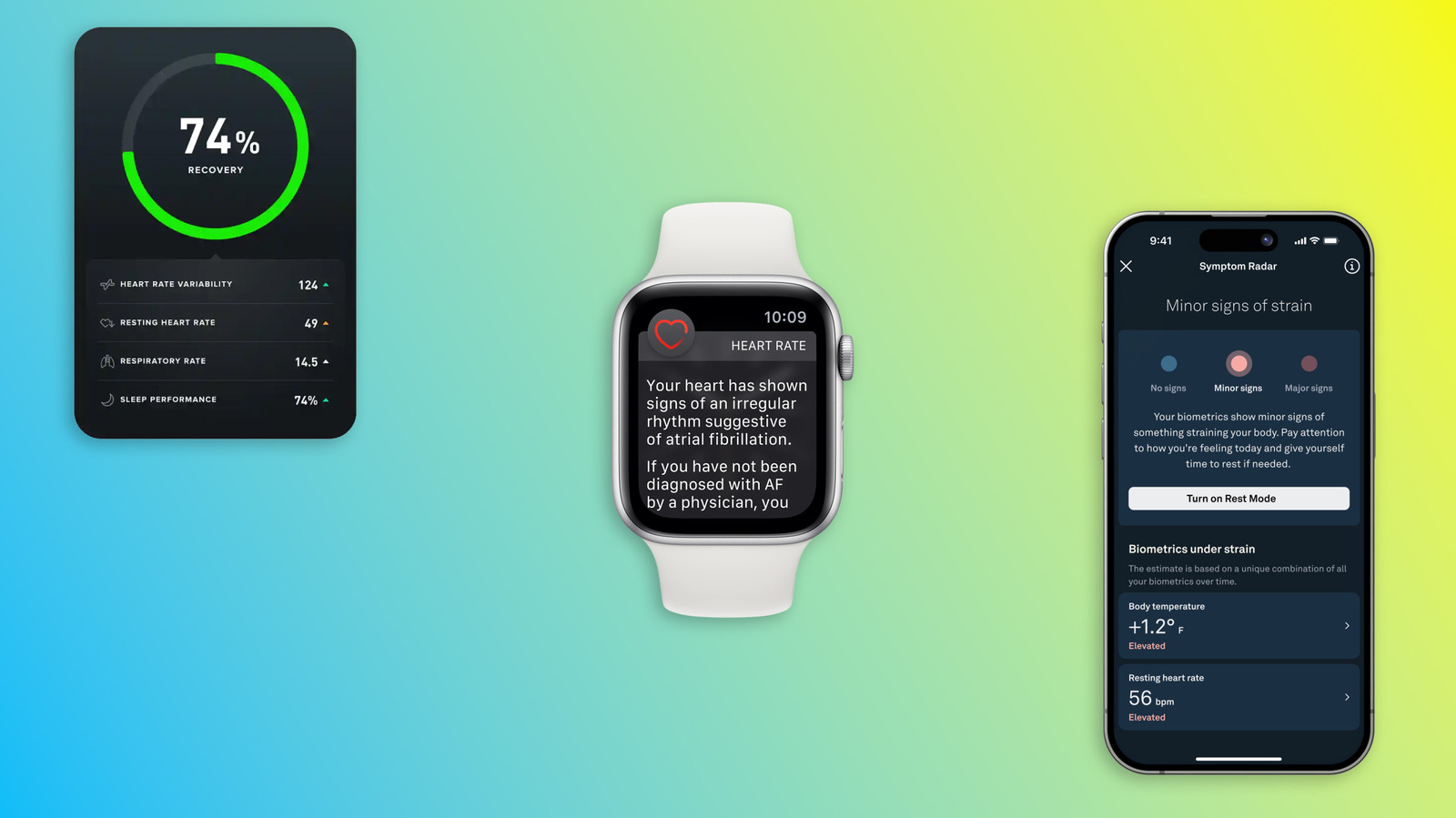
When your smartwatch alerts you to an irregular heartbeat at 2 AM, who do you call? Your doctor's office opens at 8 AM. The emergency room seems excessive. Meanwhile, your wrist is insisting something might be wrong, backed by algorithms trained on millions of heartbeats. Welcome to the awkward adolescence of wearable health technology.
Recent coverage of how smartwatches and AI might detect early signs of illness highlights a capability gap that's widening by the month. These devices can now monitor heart rate variability, blood oxygen levels, respiratory patterns, and even detect atrial fibrillation with clinical-grade accuracy. Some features have proven genuinely useful—AFib detection has likely saved lives. But the article notes a critical problem: many wearable metrics lack sufficient clinical validation. We're generating more health data than the medical system knows how to process.
This isn't just about technology outpacing regulation, though that's certainly happening. It's about the fundamental mismatch between continuous monitoring and episodic care. Our healthcare system is built around appointments, acute interventions, and reactive treatment. Wearables are designed to be always-on, predictive, and preemptive. These two paradigms don't speak the same language.
Consider what happens when millions of people start getting algorithmically-generated health alerts. Primary care physicians are already overwhelmed. Adding a flood of wearable-detected anomalies—some real, many false positives—could paralyze an already strained system. Yet the alternative is worse: ignoring potentially life-saving early warnings because we haven't built the infrastructure to handle them.
The technology companies building these devices understand the measurement side brilliantly. Apple, Samsung, and Google have the engineering talent to detect physiological patterns humans can't perceive. What they lack is the healthcare delivery mechanism to act on those insights. They're building diagnostic tools without building clinics.
This creates an uncomfortable dependency. As wearables become more capable, we'll increasingly rely on them for health monitoring. But without corresponding changes to how healthcare is delivered—think AI triage systems, automated specialist referrals, or 24/7 remote monitoring services—we're just creating anxiety at scale. Your watch tells you something's wrong, but the system designed to help you wasn't built for that level of granular, continuous data.
The smartwatch health revolution is happening whether healthcare systems are ready or not. The question isn't whether these devices will become more sophisticated—they will. It's whether we can build the medical infrastructure to make their insights actionable. Right now, we're installing smoke detectors without building fire departments.
Some forward-thinking health systems are experimenting with remote monitoring programs and AI-assisted triage. These early efforts hint at what's possible when wearable data feeds into responsive care networks. But they're exceptions, not the norm.
The paradox is that wearables could make healthcare more proactive, personalized, and effective—if we redesign healthcare delivery around them. Instead, we're bolting continuous monitoring onto a system designed for occasional check-ups. That's not innovation. That's just creating more problems to solve later.